N, MO, K, MC, L: what do the manufacturer marks mean?
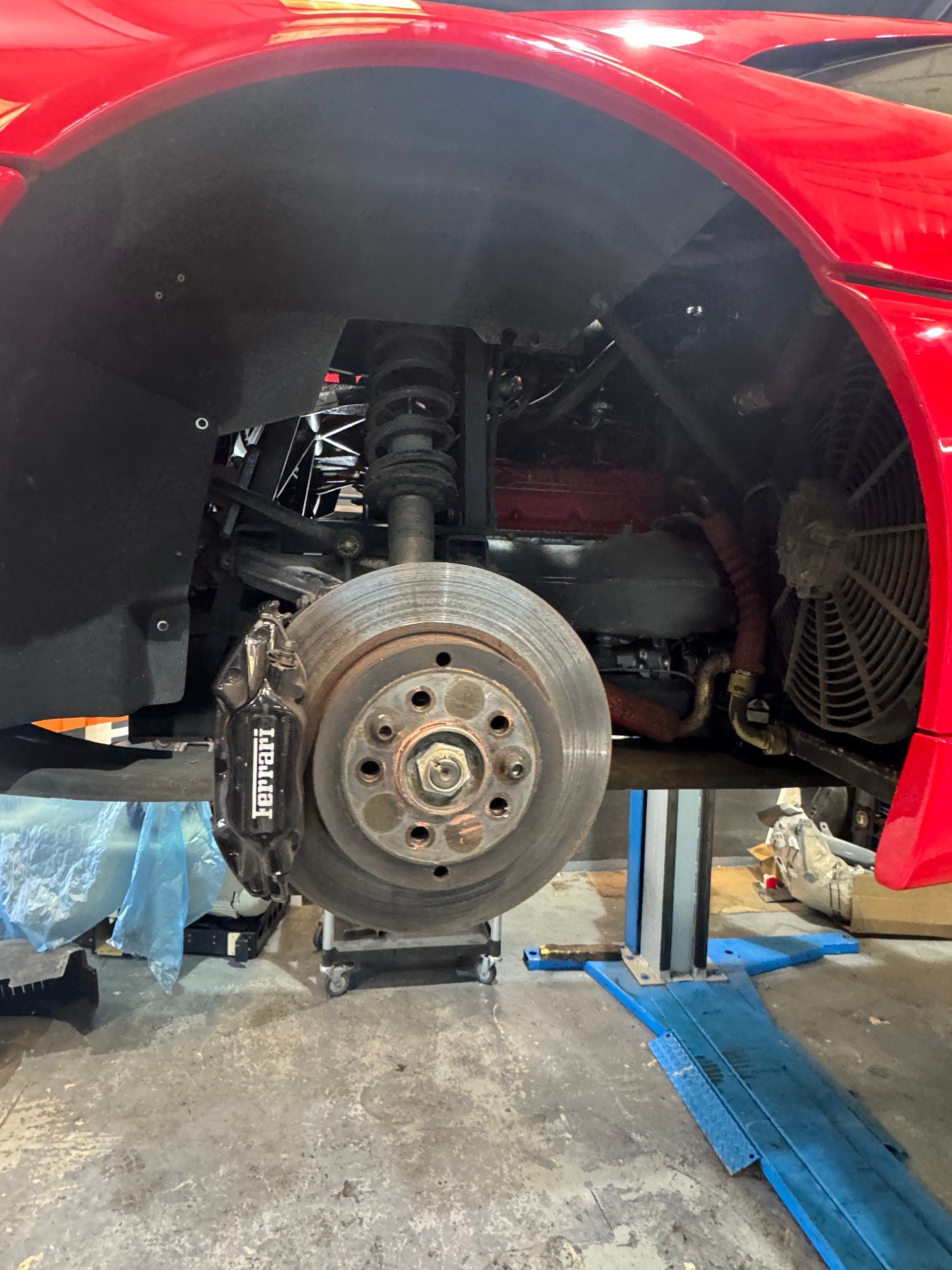
Several manufacturers have tyres developed for their models and flag them with a mark on the sidewall: N followed by a digit for Porsche, MO for Mercedes-Benz, K for Ferrari, MC for McLaren, L for Lamborghini, B for Bentley. Under the same trade name, the compound, casing or profile can differ from the standard version.
Two practical rules follow: keep the same marking on all four wheels, and never mix two generations of approval on one axle. On a Porsche, N0, N1 or N2 denote successive versions, not levels of quality. Model-by-model detail is on the Porsche tyres and Ferrari tyres pages.
Wide fitments: load and speed ratings
A supercar runs different sizes front and rear, with speed ratings of Y or (Y), often in reinforced XL form. The ratings fitted must be at least equal to the originals. These tyres cannot be swapped from one axle to the other, and directional or asymmetric models dictate the way they are mounted.
The sportiest compounds, close to a track tyre, need heat to grip and cope badly with cold rain: for use in the Principality, an approved road fitment is often the more sensible choice.
Underground car parks and short trips
Painted car-park floors, tight ramps and kerbs wear the shoulders and mark large-diameter rims. A car that stands for long periods can also develop flat spots and see its tyres age before they wear: the date of manufacture is read on the sidewall.
From the Principality to the workshop
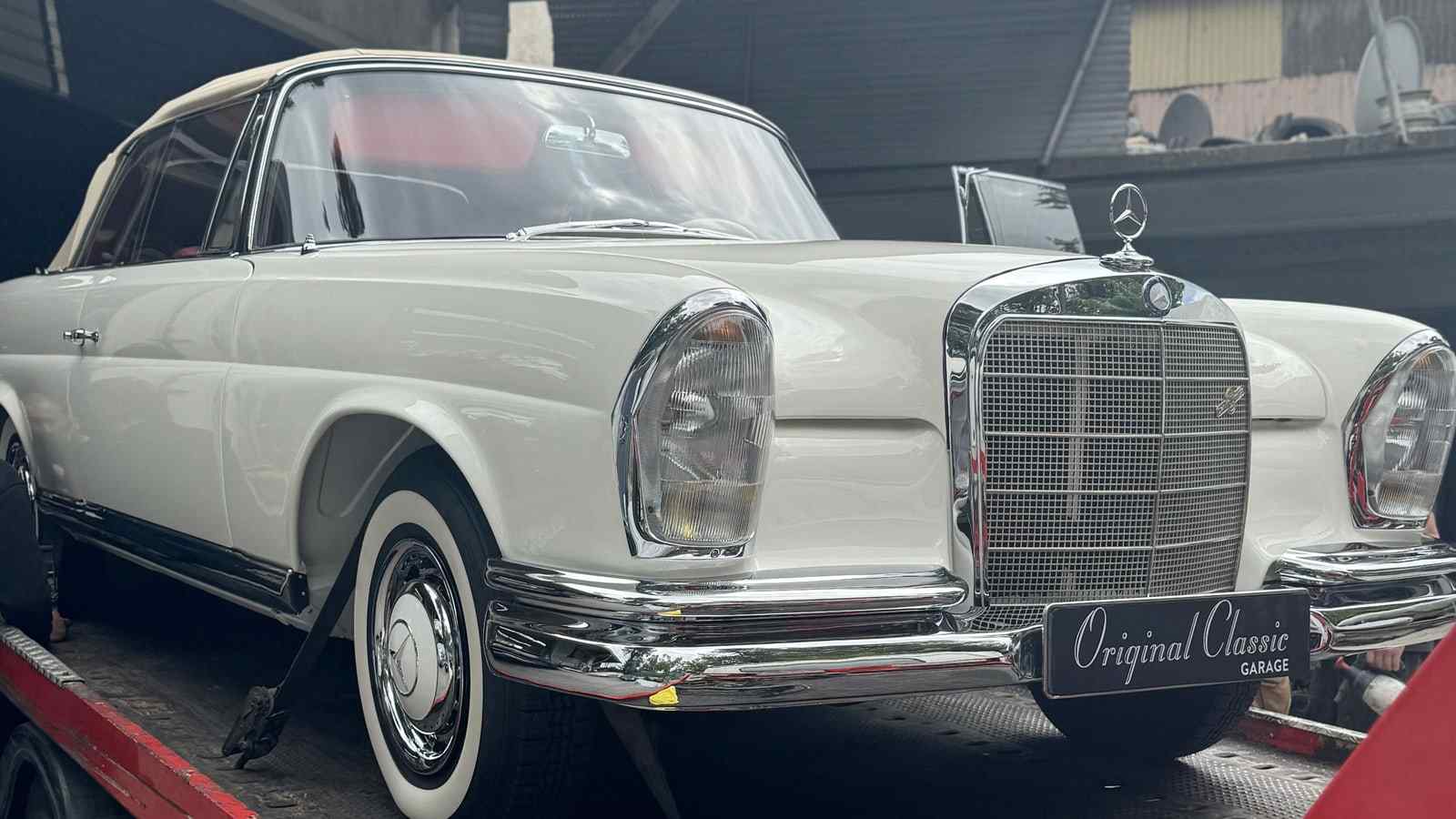
Mougins is about 55 km from Monaco. Tyres can be ordered on the tyres page or by quote; the workshop, an independent specialist, checks size, ratings and approval from the chassis number. Fitting and balancing take place in Mougins: you drive over, or the car travels in a closed truck arranged on request, whether it carries Monegasque or French plates.
The page on tyres on the French Riviera covers the other towns in the region.