DOT code: where do you read a tyre's age?
The date of manufacture is on the sidewall, at the end of the DOT marking, usually inside an oval: four digits, the first two for the week and the last two for the year. Tyres made before 2000 carry only three digits; in practice they are due for replacement.
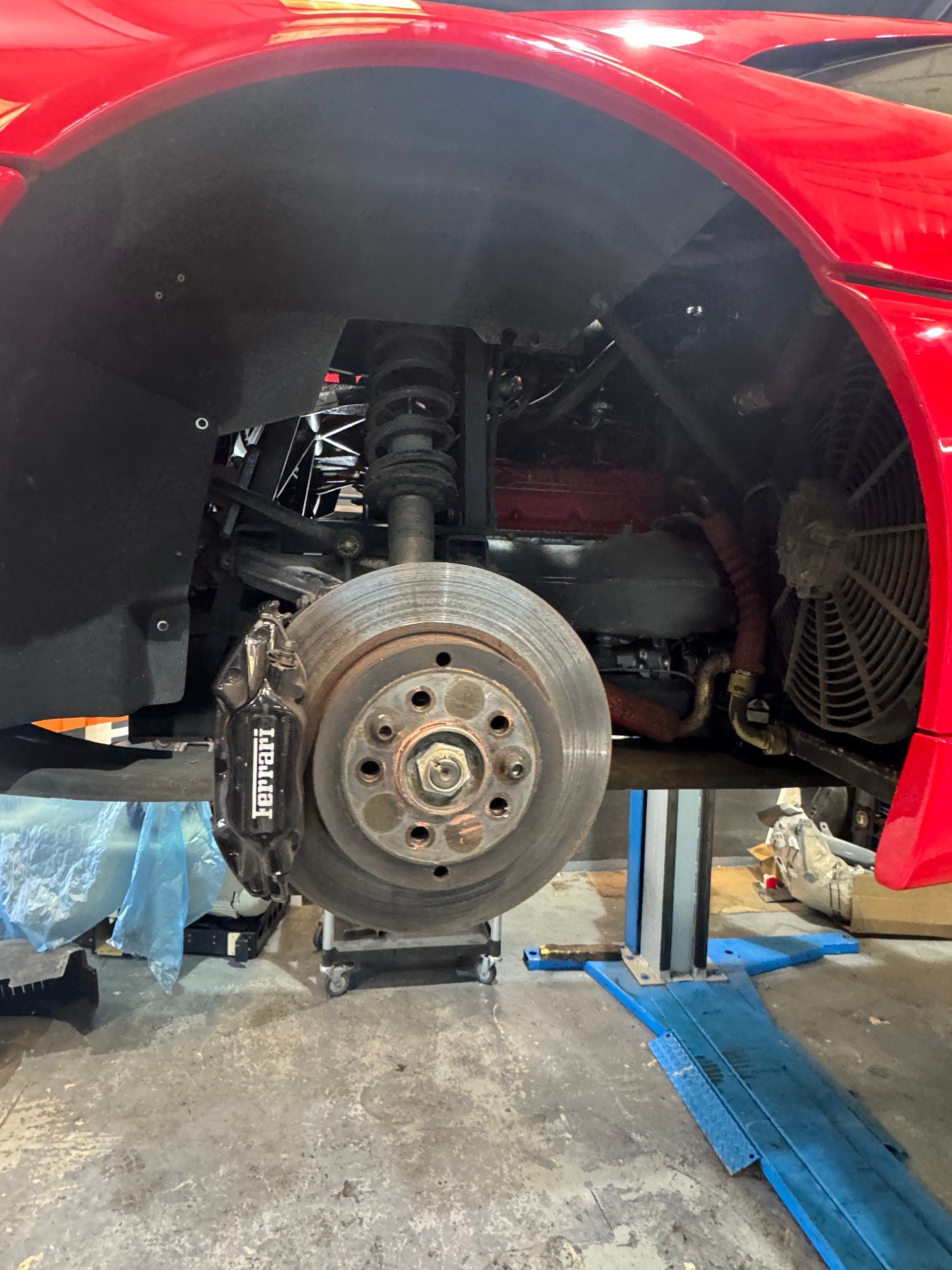
The full marking is sometimes moulded on one side of the tyre only, and that side can face the inside of the car. A glance under the wing is therefore not always enough: the workshop reads it wheel by wheel, spare included.
Why a tyre that is barely used still ages
Rubber hardens with time, light, ozone and long periods standing. The signs are well known: fine cracks at the bottom of the tread grooves and on the sidewalls, rubber that has turned hard and shiny, flat spots after months without driving, vibrations that persist once the tyres are warm. An aged tyre grips less, especially in the wet, whatever the depth of its grooves.
No single rule sets a maximum age: tyre makers ask for regular inspection by a professional as the tyre gets older. It is the inspection that decides, not the calendar alone.
Second home, short season: organising things from Cannes
A car kept at a second home is mostly used in the good weather. Better to have its tyres read before you arrive than on the first drive. The workshop can arrange transport of the car by open or closed truck, fit the new tyres and hand it back ready; seasonal preparation also covers the battery and pressures.
Tyres can be ordered on the tyres page or by quote, with size and ratings checked against your car. Fitting takes place in Mougins, by appointment. For a car from Maranello, the Ferrari tyres page details the fitments; cars kept on the neighbouring seafront are covered on the page about tyres in Antibes.