Why change the oil on a car that hardly moves?
Engine oil does not wear out through mileage alone. At every cold start, water vapour and combustion residues pass into the sump; if the engine does not stay hot long enough, they remain there. The oil turns acidic, its additives are used up, and it protects the surfaces less during long periods standing.
That is why manufacturers' service schedules set a time limit as well as a mileage limit: whichever comes first applies. For a little-used car, it is almost always time.
The other fluids follow the calendar too
Engine oil is not the only one concerned.
The workshop notes the date of each last job from your invoices and suggests an order of priority, rather than a blanket replacement.
- brake fluid absorbs moisture from the air: its boiling point drops and the system corrodes from the inside;
- coolant loses its anti-corrosion agents over the years;
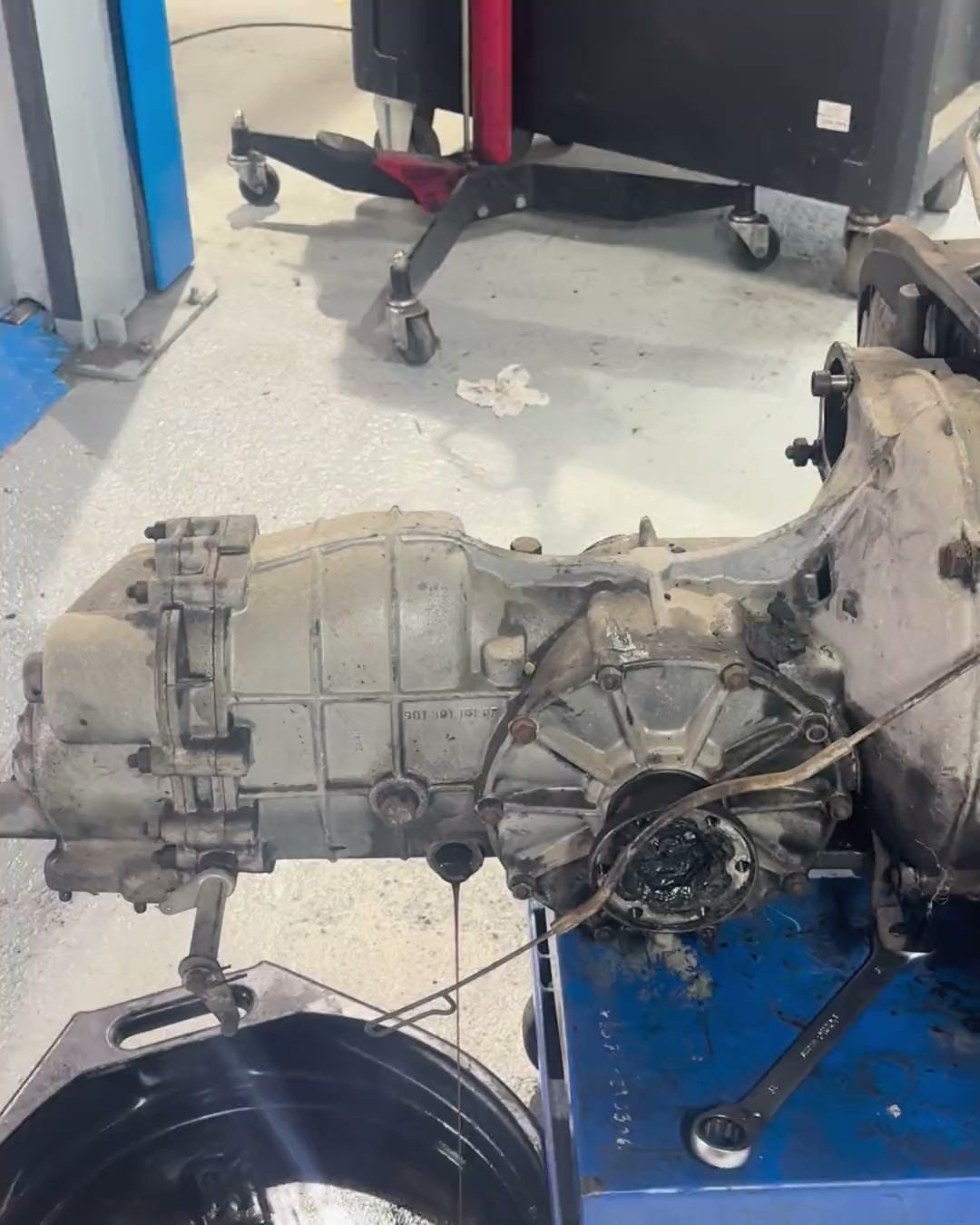
- gearbox and axle oil oxidises more slowly, but is replaced according to the manufacturer's schedule;
- petrol itself ages in the tank of a car left standing.
Before the season or after: when to change the oil?
Changing the oil before a long layoff avoids leaving acid-laden oil in the engine for months; changing it when the car is woken up gives fresh oil for the season. The first approach is often preferred for a car that is laid up for winter; the decision is made with you, according to how the car is used. In storage, the engine is started regularly and brought up to temperature, which limits condensation.
From Cannes, no fuss
Oil and fluids can be ordered on the oils page or by quote. The oil change takes place in Mougins by appointment; for a second home, transport of the car can be arranged on request, and the itemised invoice serves as a service record.
The V8 and V12 cars from Maranello have their page on Ferrari oils; short city trips are covered on the page about engine oil in Nice.