Zinc and ZDDP: why old engines depend on them
ZDDP, an additive based on zinc and phosphorus, forms a protective film where metal rubs under heavy pressure. That is the case between cams and followers when the camshaft acts on flat tappets, without rollers: a common layout on older engines.
Modern oils contain less of it, because phosphorus harms catalytic converters. They suit the engines they were designed for; an old flat-tappet engine calls for an oil formulated for classics, with a suitable level of anti-wear additives.
More is not better: too much zinc brings nothing and can do harm. It is wiser to choose the right oil than to pour an additive into an oil that is already formulated. The period after a rebuild, when new cams and followers bed in, is the most sensitive.
What an oil change at the Mougins workshop includes
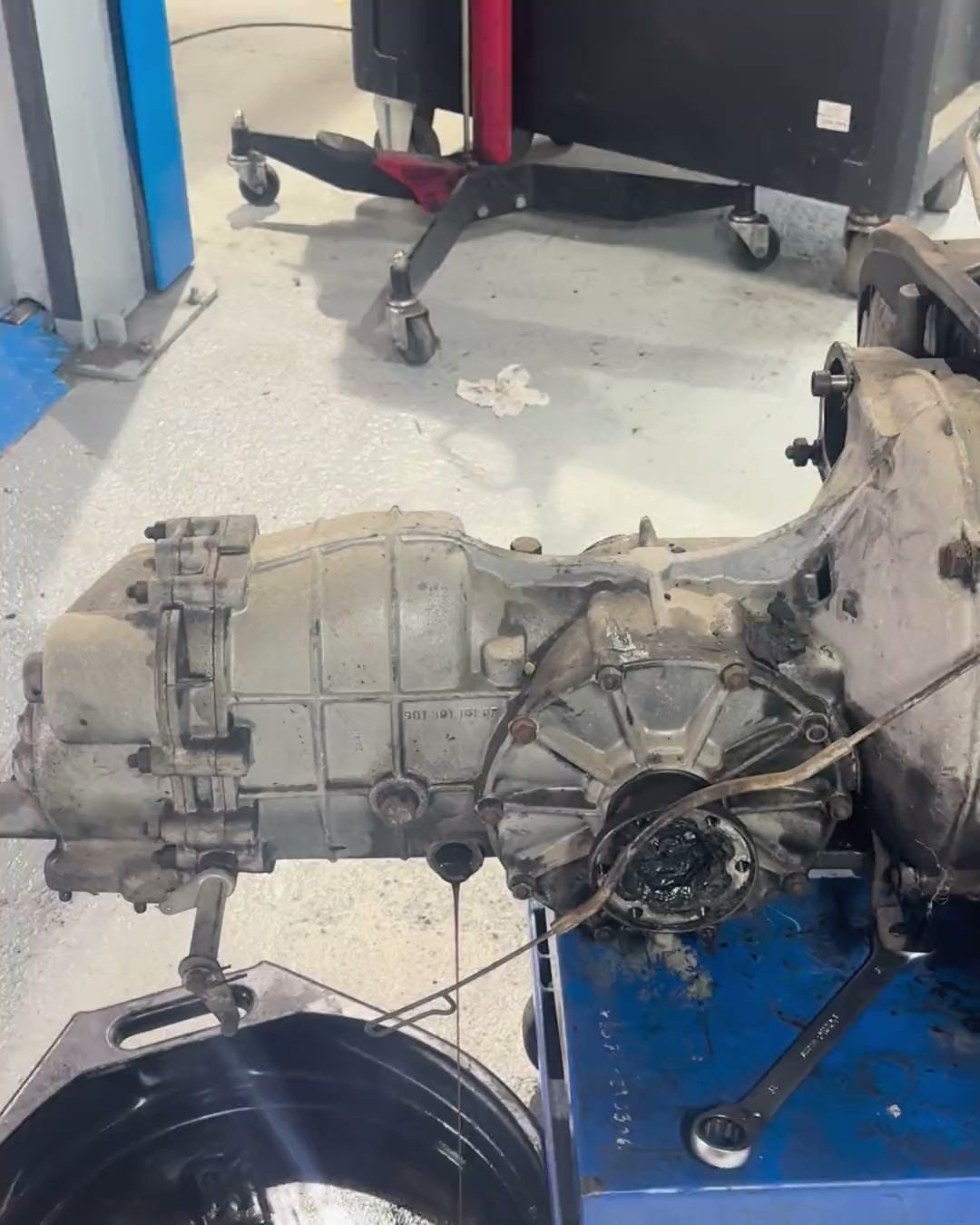
The oil is drained with the engine warm so that it runs out completely. The filter is replaced, or the strainer cleaned on engines that have no cartridge; the drain plug washer is changed. The old oil is looked at: metal particles, traces of coolant or a smell of petrol say a great deal about the engine's condition.
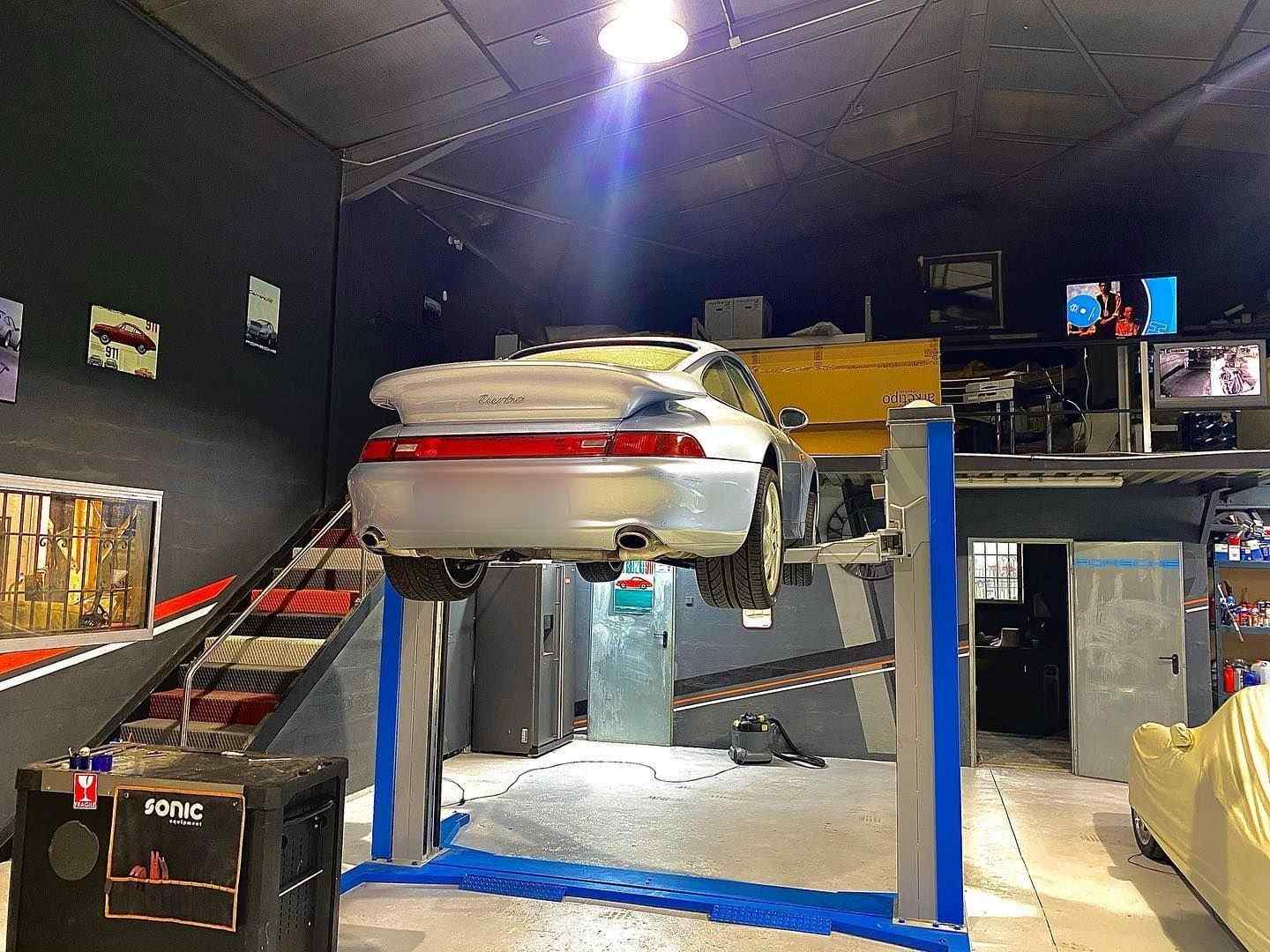
On a dry-sump engine, such as the flat-six of an air-cooled 911, the oil is drained from the tank and the sump, and the level is checked with the engine warm and idling. The workshop has, for instance, carried out the oil change and fluid replacement on a Porsche 993 Turbo. The itemised invoice states the oil used and joins the car's history.
Ordering the oil, booking the car in
The oils and lubricants page lets you search by viscosity, by brand or by vehicle; if in doubt, the workshop confirms the recommendation by quote. Living in Mougins makes the rest simple: you leave the car at the garage, Monday to Saturday, by appointment.
The oil change often forms part of a fuller service. For flat-six engines, see the page on Porsche oils; for a car that is driven little, the page on oil changes in Cannes explains why time matters more than mileage.