Manufacturer specification: more than a viscosity
Two 5W-40 oils can be very different. Manufacturers define their own specifications, verified by tests on their engines: Porsche A40 or Mercedes-Benz 229.5, for example. The reference is printed on the can; it, together with the viscosity, must match the car's handbook.
Recent engines fitted with a particulate filter require low-ash oils. Conversely, an oil designed for them is not the right choice for a twelve-cylinder engine from the 1980s. The invoice states the oil used and its specification: it serves as a service record.
Dry sump and electronic level: the particulars of supercars
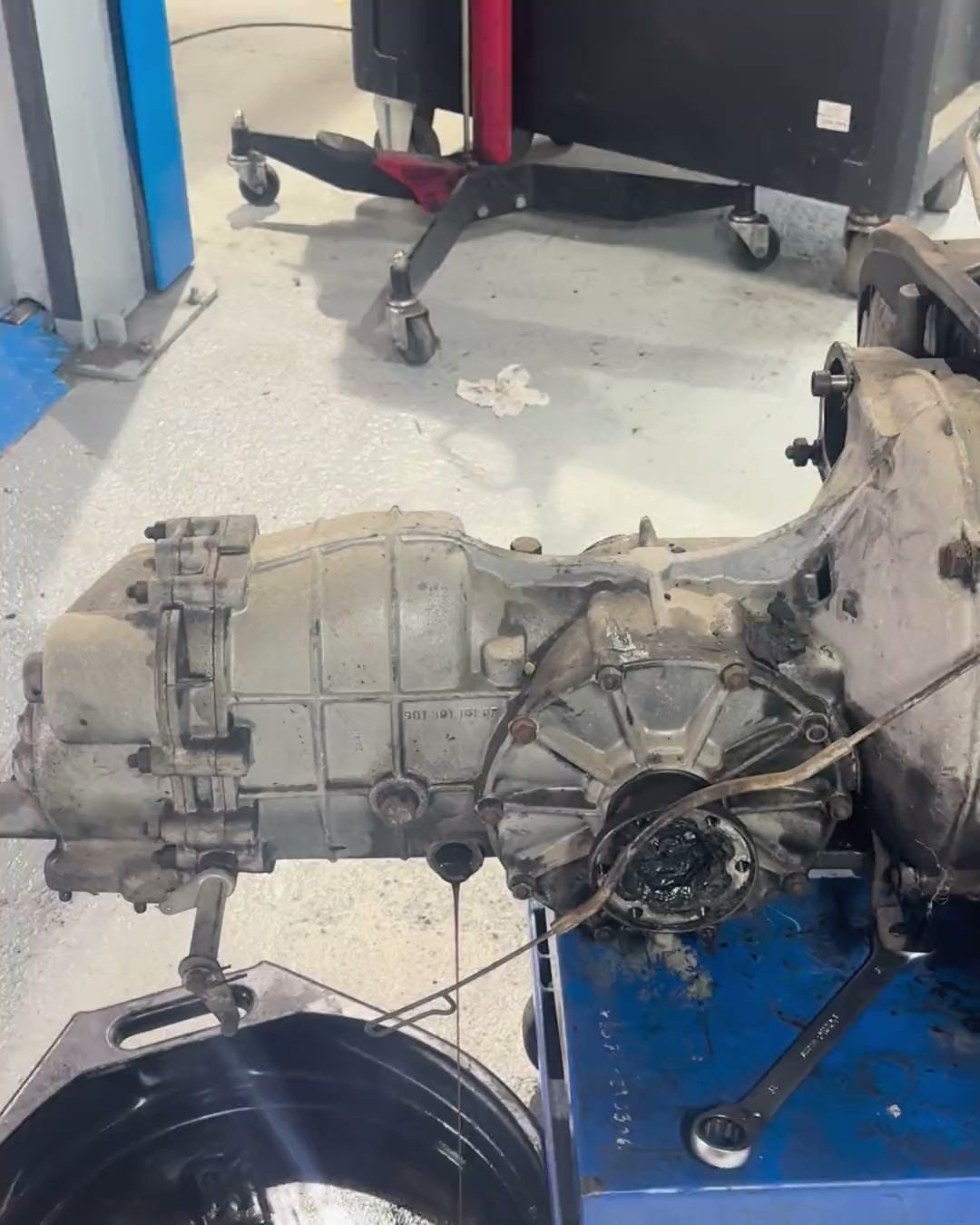
Many sports cars are dry-sump lubricated: the oil is stored in a separate tank, which prevents oil starvation in corners. The oil change then involves several plugs, and the level is checked following the manufacturer's procedure, generally with the engine warm and running. A level read cold, engine off, leads to overfilling.
On many recent models the manual dipstick has gone in favour of an electronic reading. Dual-clutch gearboxes and differentials have their own fluids, replaced according to the schedule.
Short trips in the Principality, underground car parks
A car that leaves an underground car park for a few streets and goes straight back never heats its oil. The mileage stays negligible, yet the oil still ages: the time limit governs. A stain on the car-park floor under the engine or gearbox is worth mentioning before the oil change.
Organising the oil change from Monaco
Oils are chosen on the oils and lubricants page or by quote, with the specification checked against the chassis number. The work takes place in Mougins, at an independent specialist, by appointment; the car can come by road or in a closed truck, on request. Conversations are held in French, English, Russian or Arabic.
Useful pages: Ferrari oils, McLaren oils, and oil changes in Antibes for gearboxes and axles.