Supercars: bodywork is no longer just steel
The recent cars seen in Monaco combine aluminium, composites and sometimes carbon fibre. Each material is repaired in its own way and tolerates no method borrowed from another: an aluminium panel is not straightened like a steel wing, and a damaged composite part is treated according to its structure. Before any quotation, the workshop therefore examines what the part is made of and what it protects.
The workshop is independent and not affiliated with any manufacturer. It takes on luxury car bodywork, recent or old, with the same standard on gaps and alignment.
Classics of the Principality
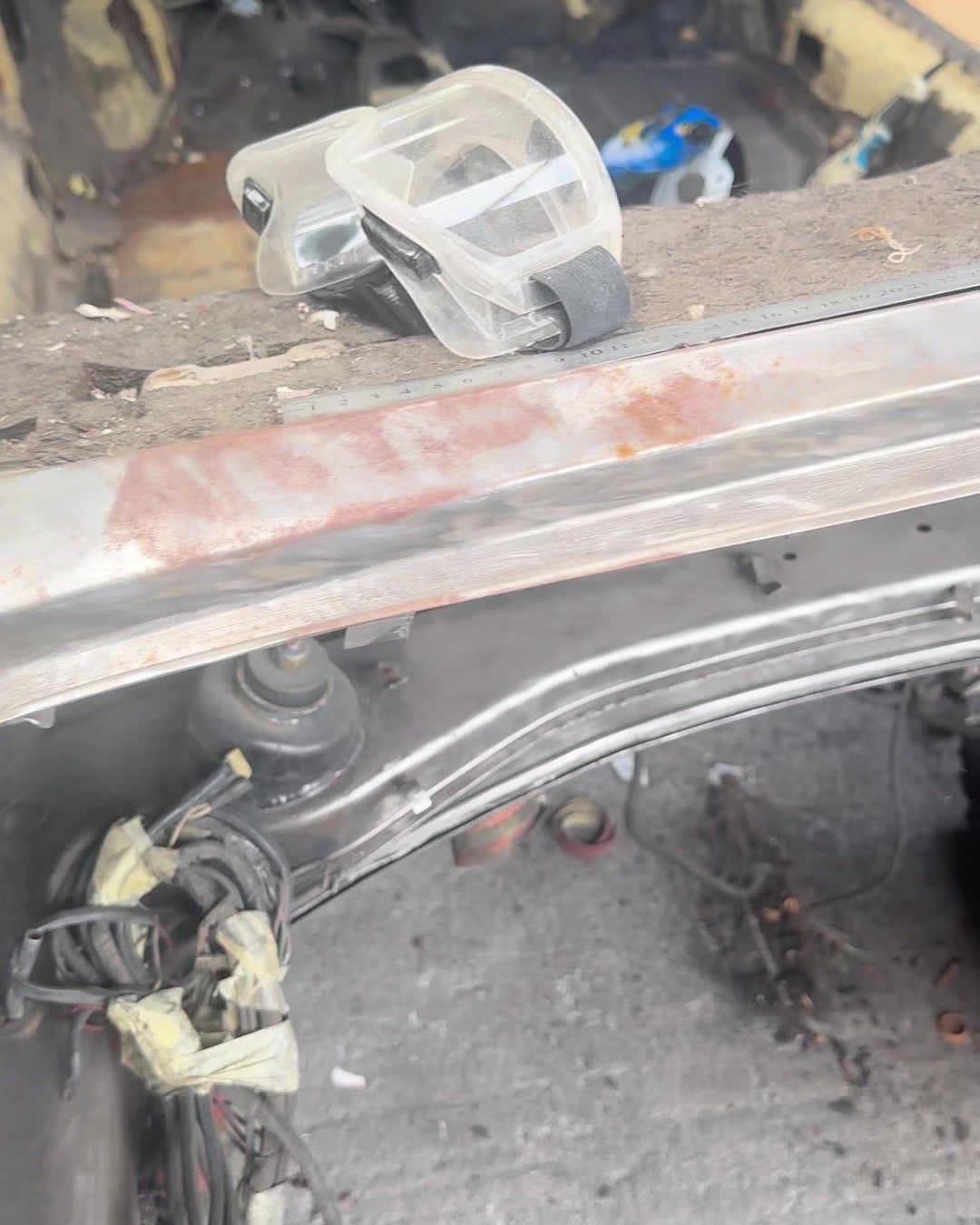
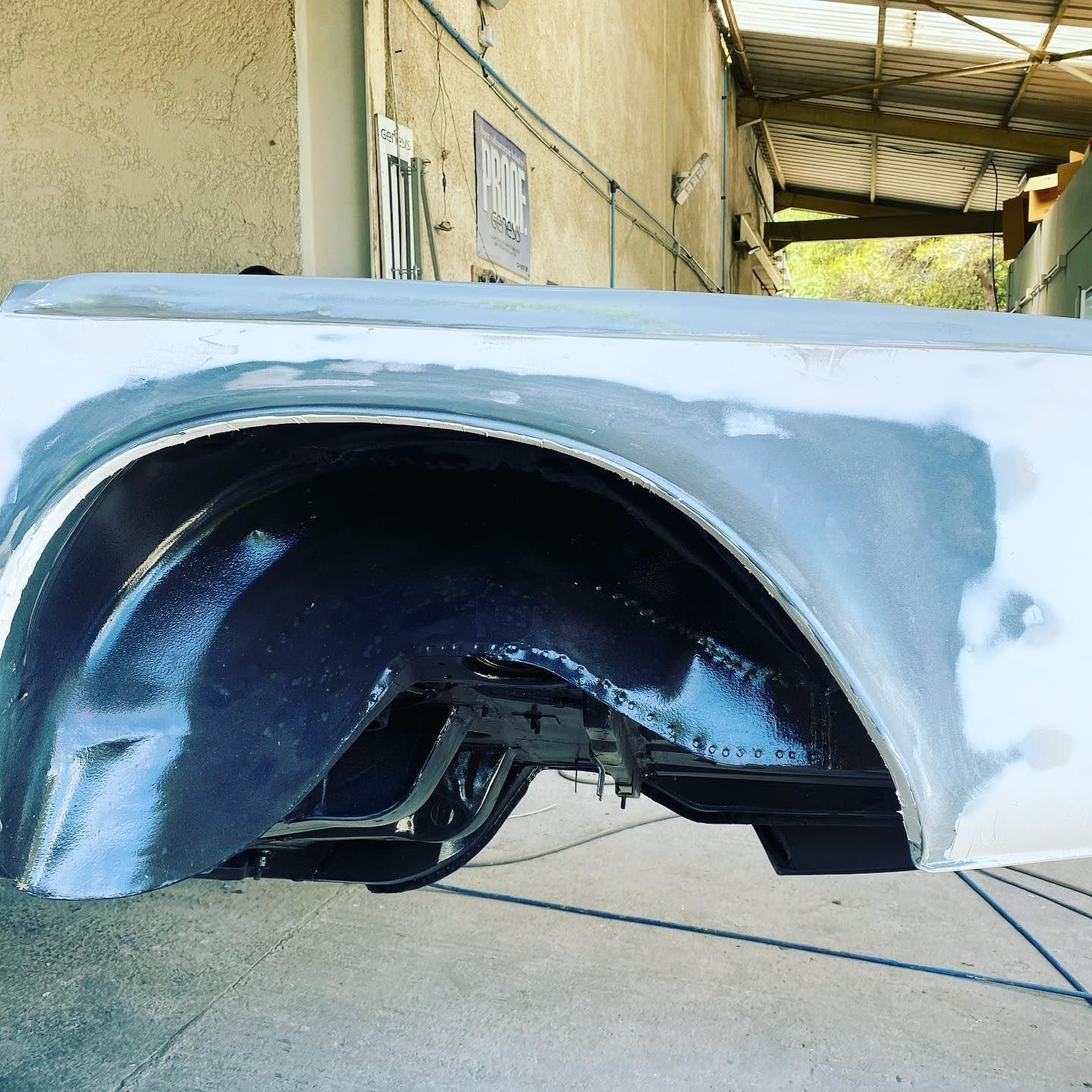
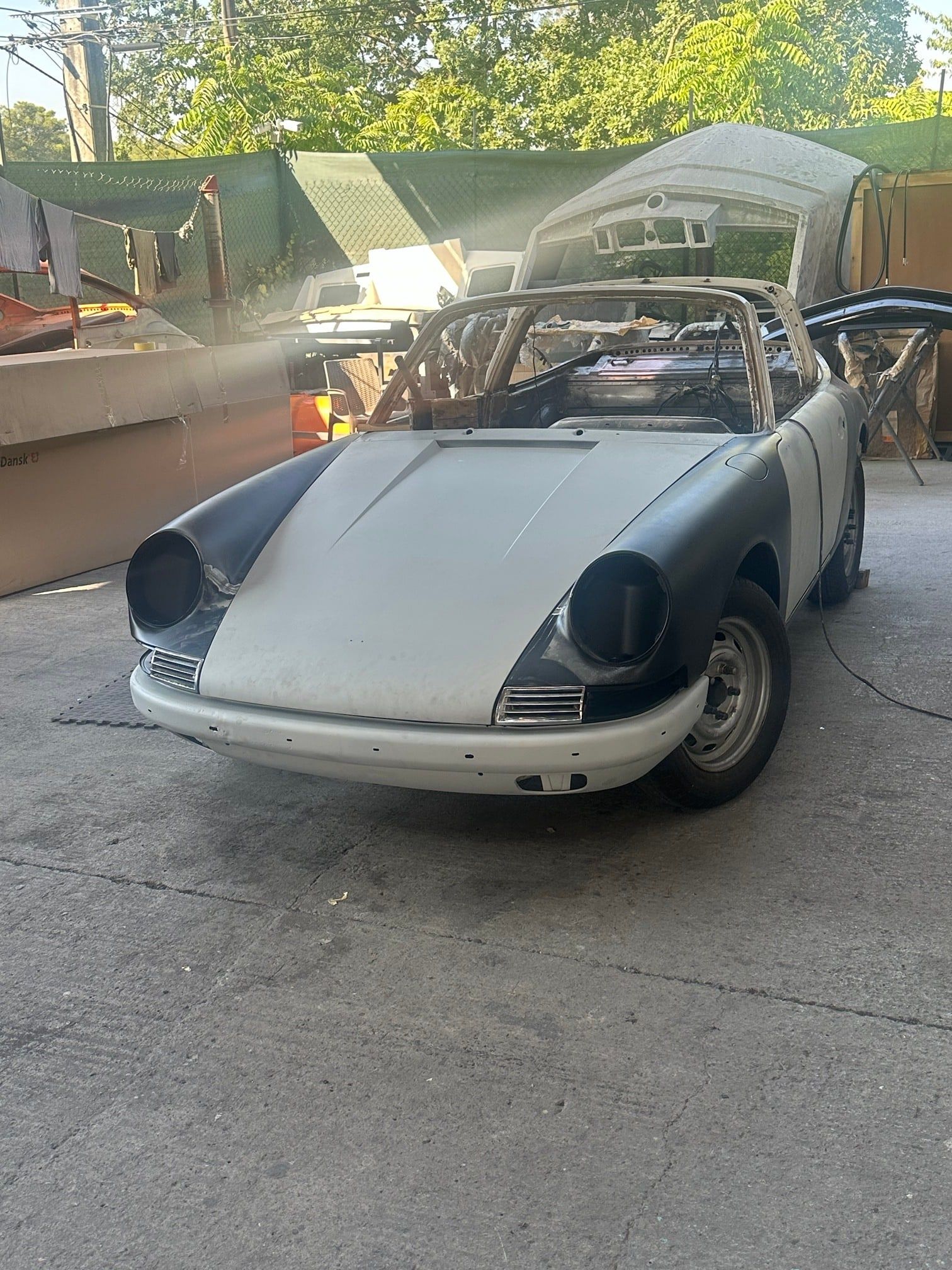
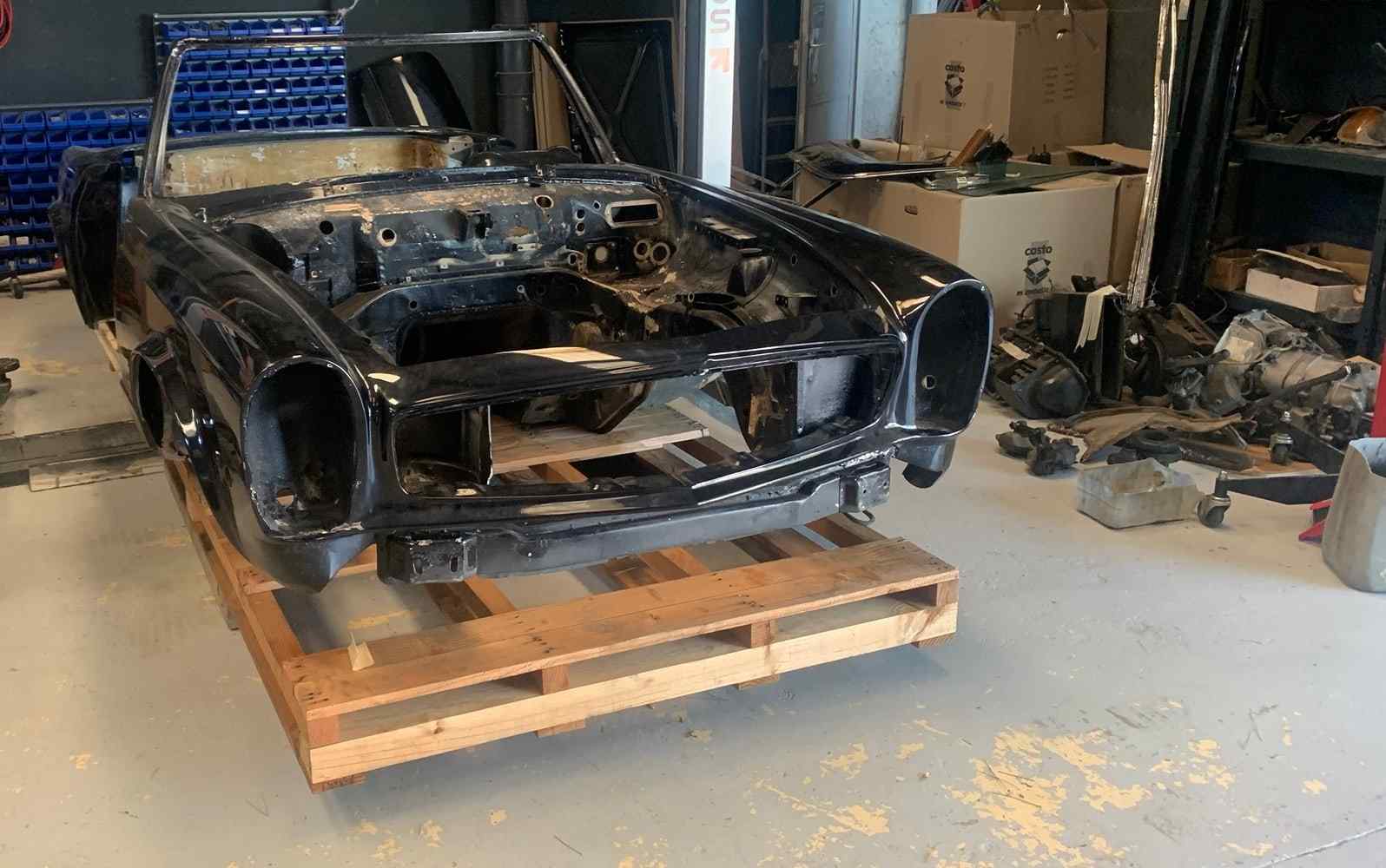
The other half of Monaco’s cars belong to history: Ferraris of the 1980s, air-cooled Porsches, pre-war convertibles. Their bodywork is often worked the traditional way, by hammer and weld, respecting the original shape. The page on Ferrari bodywork sets out what these cars require, particularly on panels and weld blending.
Underground car parks, ramps and thresholds
Monaco has many basement car parks, tight ramps and low ceilings. Typical damage is a scraped front splitter, grazed sills, a bumper that has met a pillar. On a very low car it quickly reaches the aerodynamic parts, which take patience to restore.
Fifty-five kilometres, in a closed truck
Monaco is about fifty-five kilometres from the Mougins workshop. A damaged supercar should not make the journey alone: collection by closed truck is arranged on request, with terms set out in writing before departure. Monaco plates make no difference to how the car is handled. To fix a date, book an appointment; for a car already elsewhere on the coast, see bodywork in Cannes.