Steel or aluminium: what is your Rolls-Royce built from?
Rolls-Royce bodywork is not repaired the same way from one era to the next. The Silver Cloud carries its body on a separate chassis; the Silver Shadow, Silver Spirit and Silver Seraph have a steel monocoque, with aluminium opening panels on the Silver Shadow. The first Goodwood Phantom of 2003 sits on an aluminium structure, as do the current Phantom, the Cullinan and the Ghost launched in 2020. The original Ghost, the Wraith and the Dawn keep a steel shell.
Everything follows from that. Aluminium is not straightened, welded or joined like steel, and it calls for tools kept for it alone, so that one metal never contaminates the other. We therefore establish how the car is built before proposing a method. The process common to every make is set out on our bodywork page.
Silver Shadow, Corniche, Silver Spirit: panel work on the classics
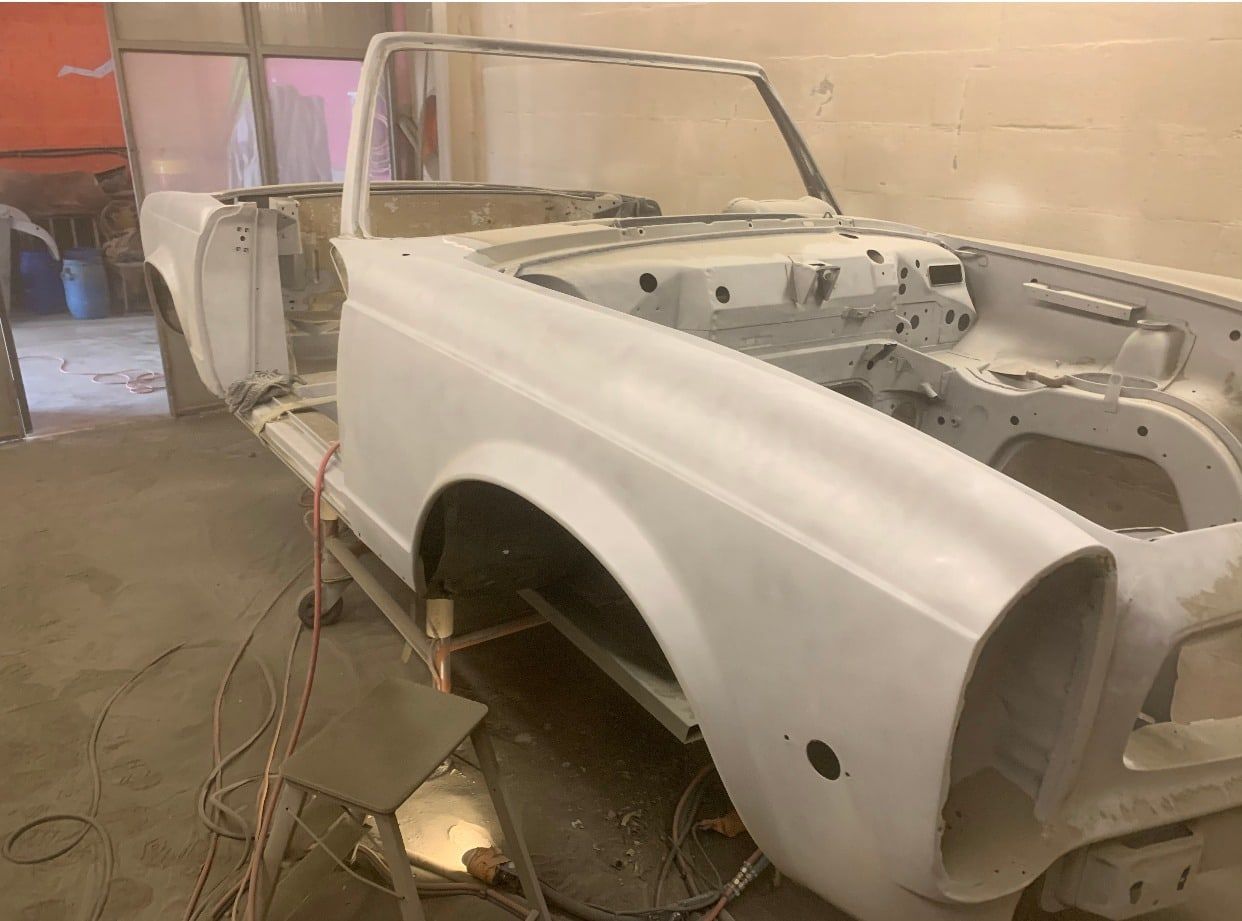
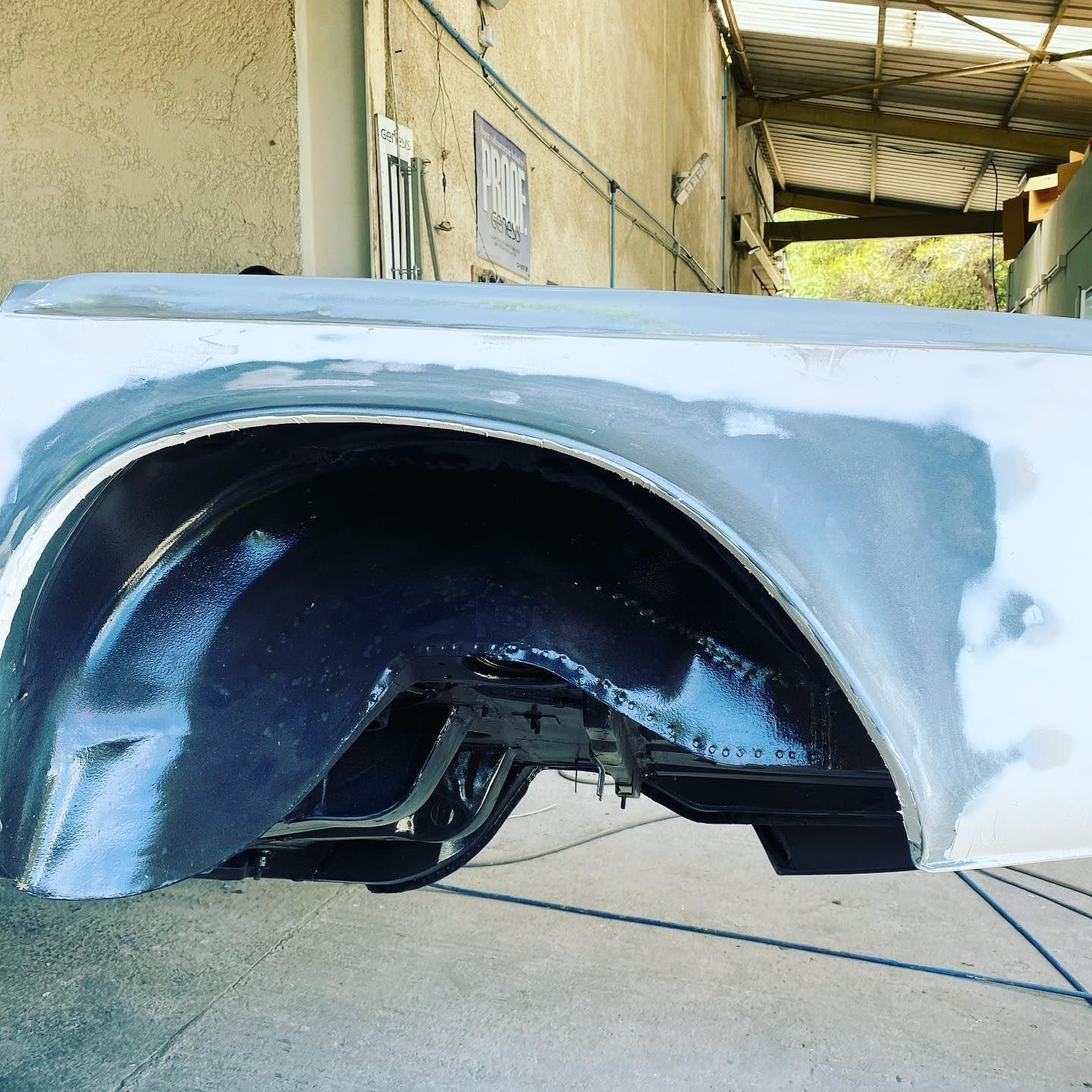
New body panels for Crewe-built cars are scarce, so a wing or a door bottom is often remade by hand in sheet metal rather than replaced. The Corniche, assembled by Mulliner Park Ward, was fitted car by car; a panel taken from another example nearly always needs adjusting before it sits true.
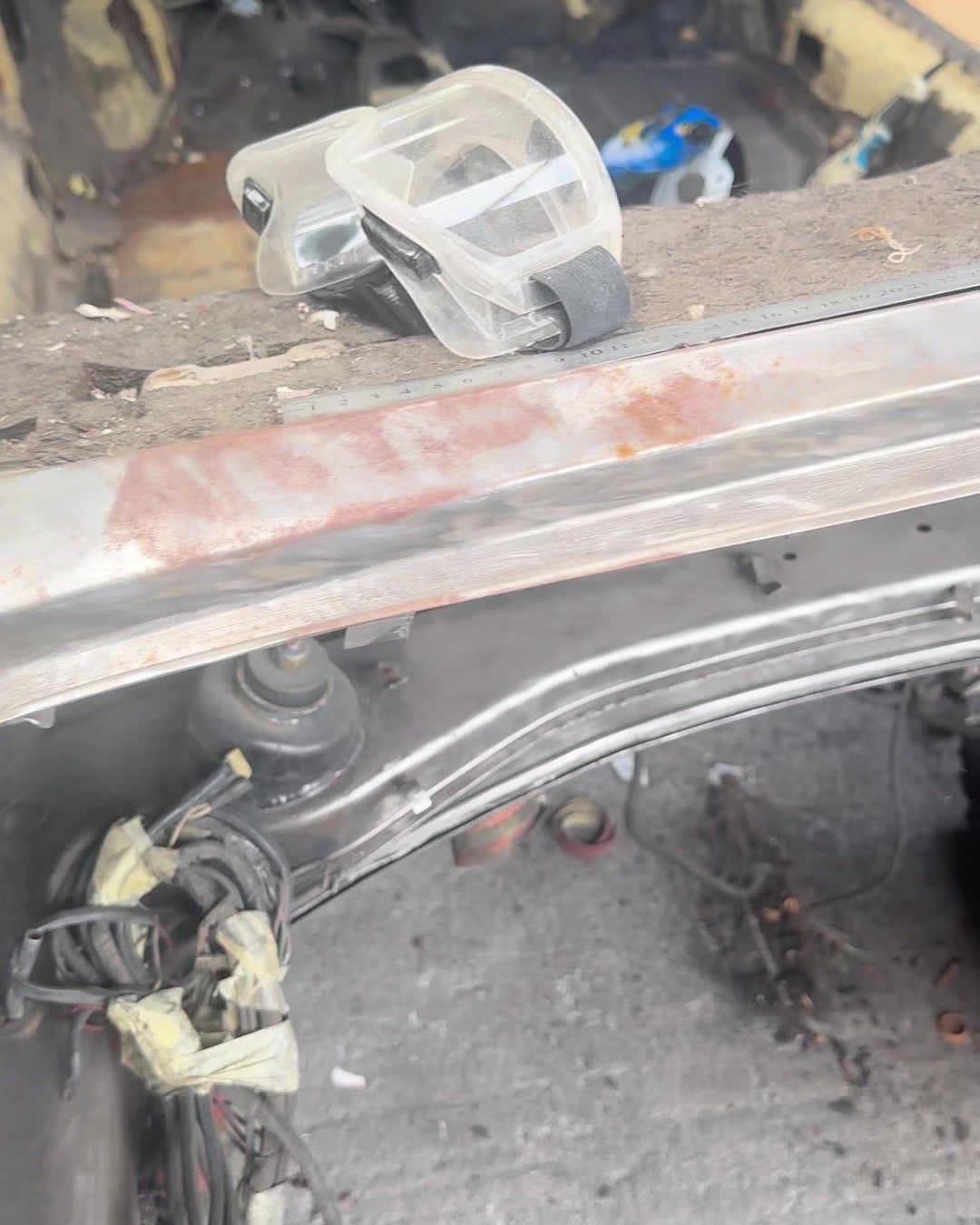
After an impact we also check what the metal hides. On a Silver Shadow the subframes carrying the mechanical parts are attached to the shell through flexible mounts, and a blow to a wheel can shift them. Any corrosion uncovered along the way is reported to you; where it reaches the structure, the job becomes a matter for Rolls-Royce restoration.
Phantom, Ghost, Cullinan: repairing a recent body
The Goodwood cars bring constraints of their own. The rear doors of the Phantom and Ghost, like the doors of the Wraith and Dawn, are rear-hinged; they are heavy, power-closing, and their fit is judged to the millimetre. The grille and the retractable Spirit of Ecstasy come off before any work on the front end.
Depending on the version, the bumpers house sensors, radar units and cameras. Once everything is refitted their operation is checked; if a calibration can only be carried out by the manufacturer’s network, we tell you before we begin.
Gaps, reflections and blends: what shows at the end
The body of a luxury car is judged side-on, in low light. Panel gaps are set before paint and checked again after reassembly, and the waistline must run from nose to tail without a break. Colour matching, two-tone schemes and the coachline are covered on our Rolls-Royce paintwork page.
The estimate is drawn up after inspection, item by item, and you receive photographs of the key stages. The same standards apply to the cars with the winged B: see Bentley bodywork. Owners in the Principality will find how their car is collected on our bodywork in Monaco page.