What is a Porsche 911 backdate?
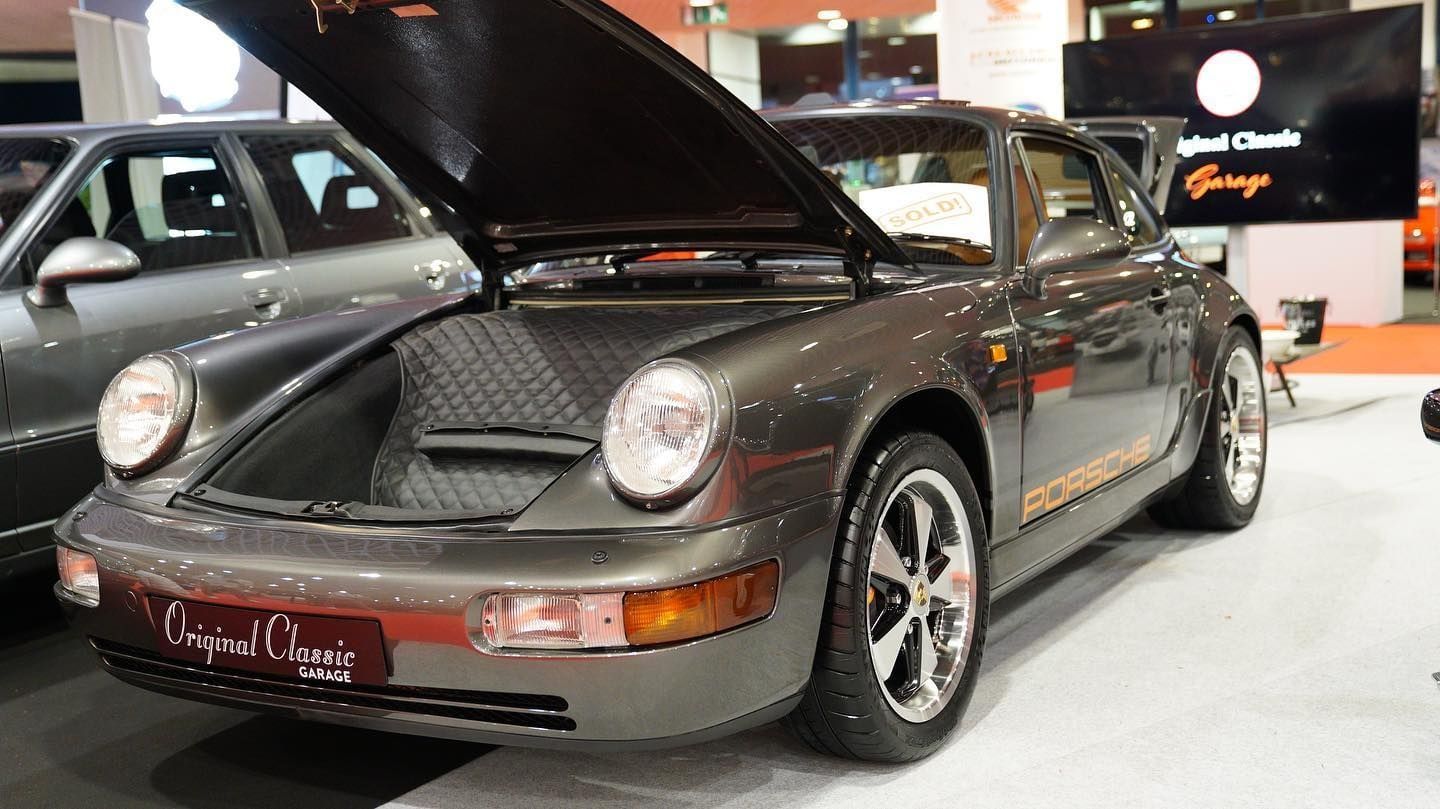
Until 1973 the 911 wore a long bonnet and slim bumpers. The 1974 model year brought the thicker impact bumpers, which stayed until the end of the Carrera 3.2. Backdating means giving a car from that second period, or a 964, the look of the first.
The 911 of 1964 to 1973 has become a precious car, one that owners hesitate to use every day. A backdate offers its design on a more common and more robust donor, without sacrificing a historic car.
911 SC, Carrera 3.2 or 964: which donor?
The 911 SC and the Carrera 3.2 are the most direct donors: their bodyshell remains close to that of the early 911, and the conversion mainly concerns the front, the rear and the details. The Porsche 964 brings more modern mechanicals, but its integrated bumpers and sills call for more extensive bodywork.
In every case the car is examined before any project: corrosion, old accident damage, the state of the structure. A sound shell decides everything else.
What a backdate changes, and what it leaves alone
The conversion concerns the body and its fittings first. The remainder depends on your specification.
- bonnet, wings and bumpers in the early 911 pattern;
- matching lamps, indicators, grilles and trim strips;
- Fuchs wheels, or another design if the project calls for it;
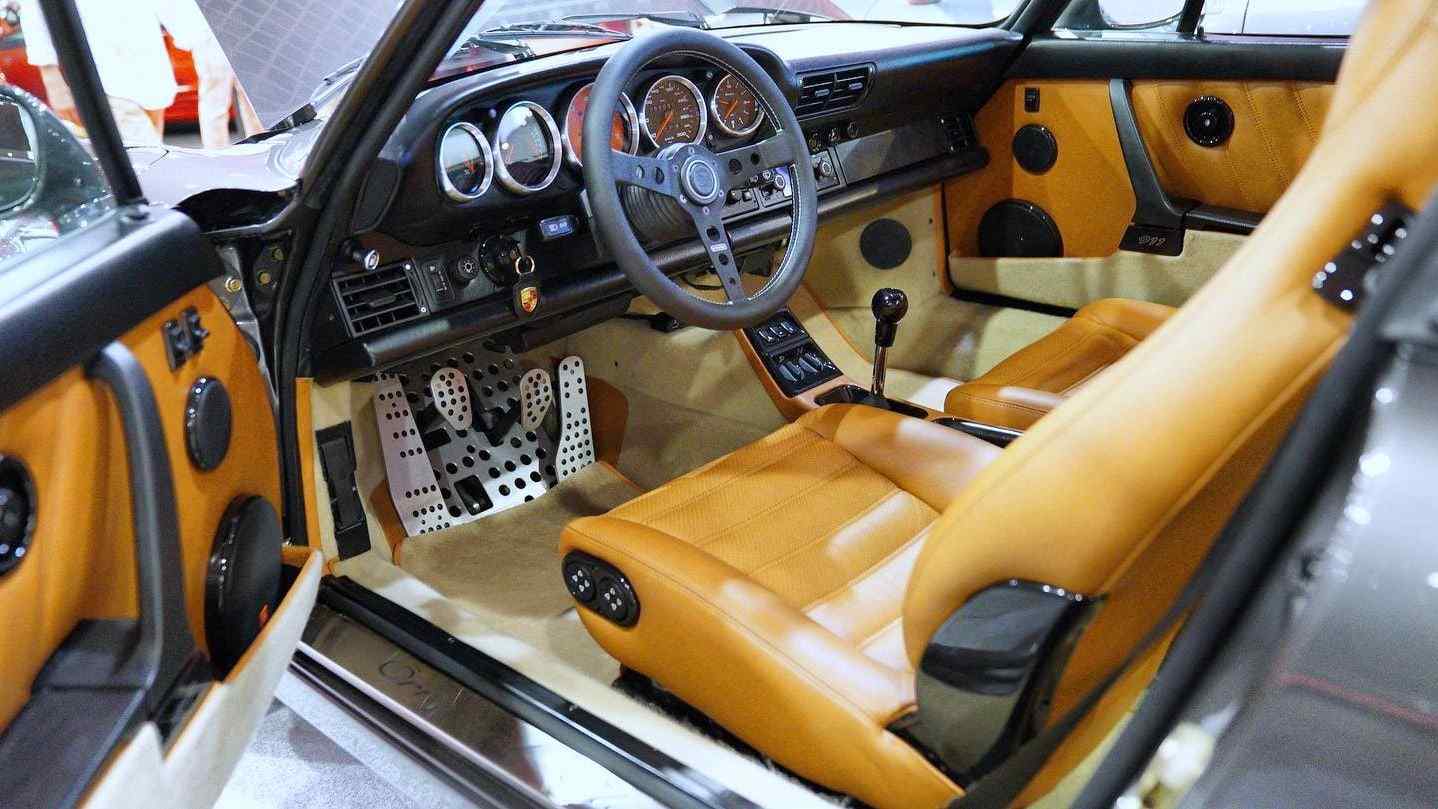
- interior reworked or retained, as you prefer;
- engine and chassis: left standard, rebuilt or developed.
From the Croisette to the Estérel: for what use?
A Cannes 911 crawls through town in summer and is driven briskly along the corniche for the remainder of the year. The project allows for that: a car pleasant at low speed, composed on a winding road, presentable outside a grand hotel. A bespoke build is written around that use, then costed: request a quote.
For the cabin, the page on made-to-measure upholstery in Antibes takes the subject further. The bespoke Porsche page sets out the full range of possibilities.