Bulge, cut, pinched sidewall: repair or replace?
A low-profile tyre has little sidewall height to absorb an impact. Pinched between the rim and a kerb, it can hide internal damage: the casing breaks locally and a bulge appears on the sidewall, sometimes days later. That bulge cannot be repaired; the tyre must be replaced.
A puncture is judged differently. A nail in the tread can often be repaired from the inside, with the tyre off the rim; a wound in the sidewall or shoulder cannot. On high speed-rated tyres, manufacturers restrict repairs strictly: the workshop tells you what is allowed for yours.
Scuffed or bent rim: what the workshop checks
A rim scratched by a kerb is often only a cosmetic matter. A hard knock, however, can bend or crack it and upset the front-end geometry: a steering wheel that is no longer straight, a car that pulls, fast wear on one edge of the tyre. When the tyre is off, the rim is examined on both sides, inner edge included, the one you never see.
Pressures should be checked cold and regularly, for instance during routine servicing: in town, an under-inflated tyre is more exposed to pinching.
Which tyres for a car used mostly in town?
The size and ratings remain those specified for the car. Some tyres carry a rim protector ridge, marked FR or MFS depending on the make, which helps against light scuffs. Reinforced XL tyres answer a load requirement, not an urban use. Fitments are chosen on the tyres page, by size or by vehicle; the sports cars from Stuttgart have their own page on Porsche tyres.
Coming from Nice to Mougins
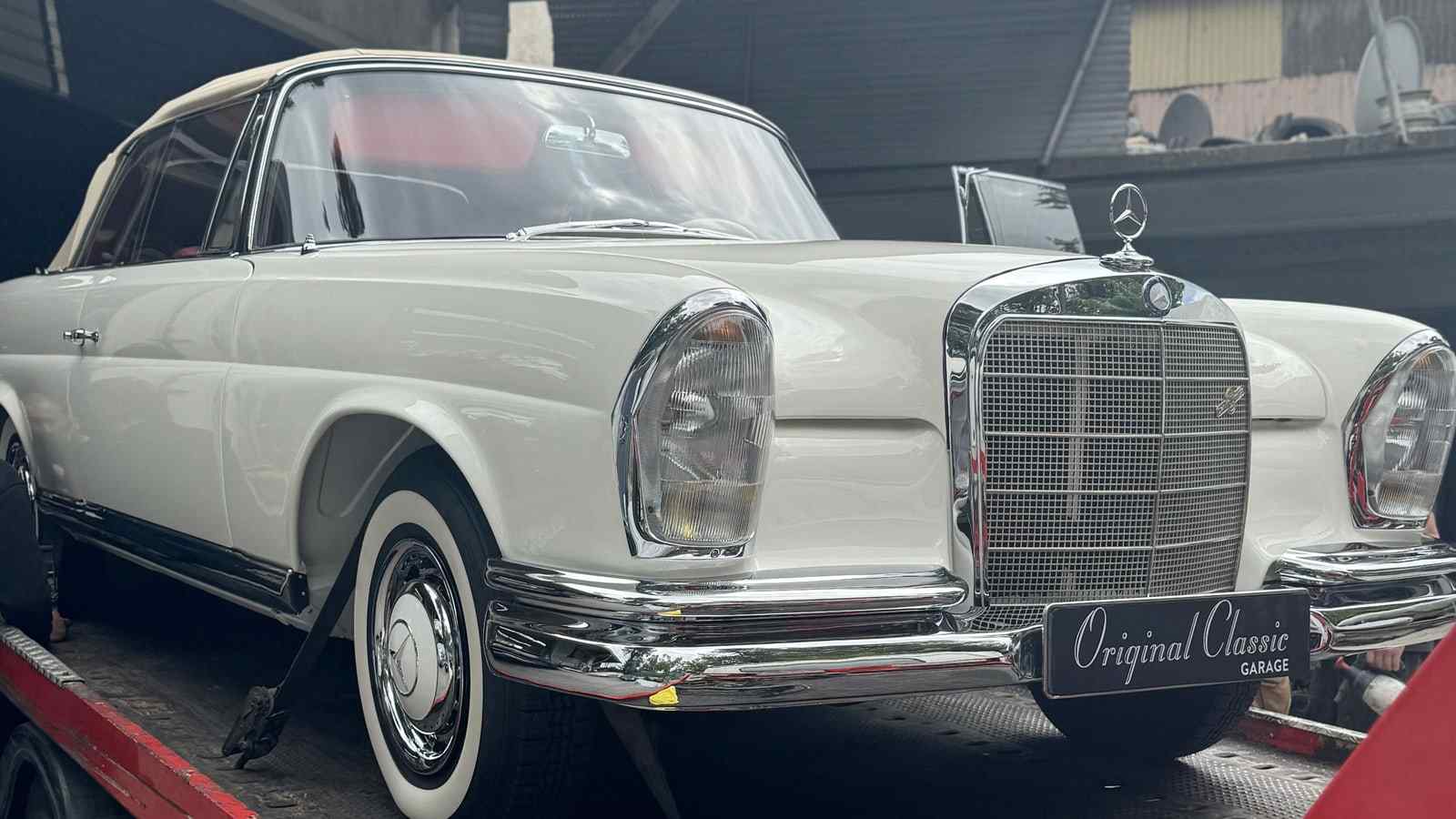
Fitting and balancing are done at the workshop, by appointment, Monday to Saturday. If a damaged tyre means the car can no longer be driven safely, transport by truck can be arranged. Further east, the page on tyres in Monaco deals with supercars and their wide fitments.