Four provenances, four uses
A single part number may have several answers. None is right or wrong in itself: it depends on the part, on the car and on what you expect of it.
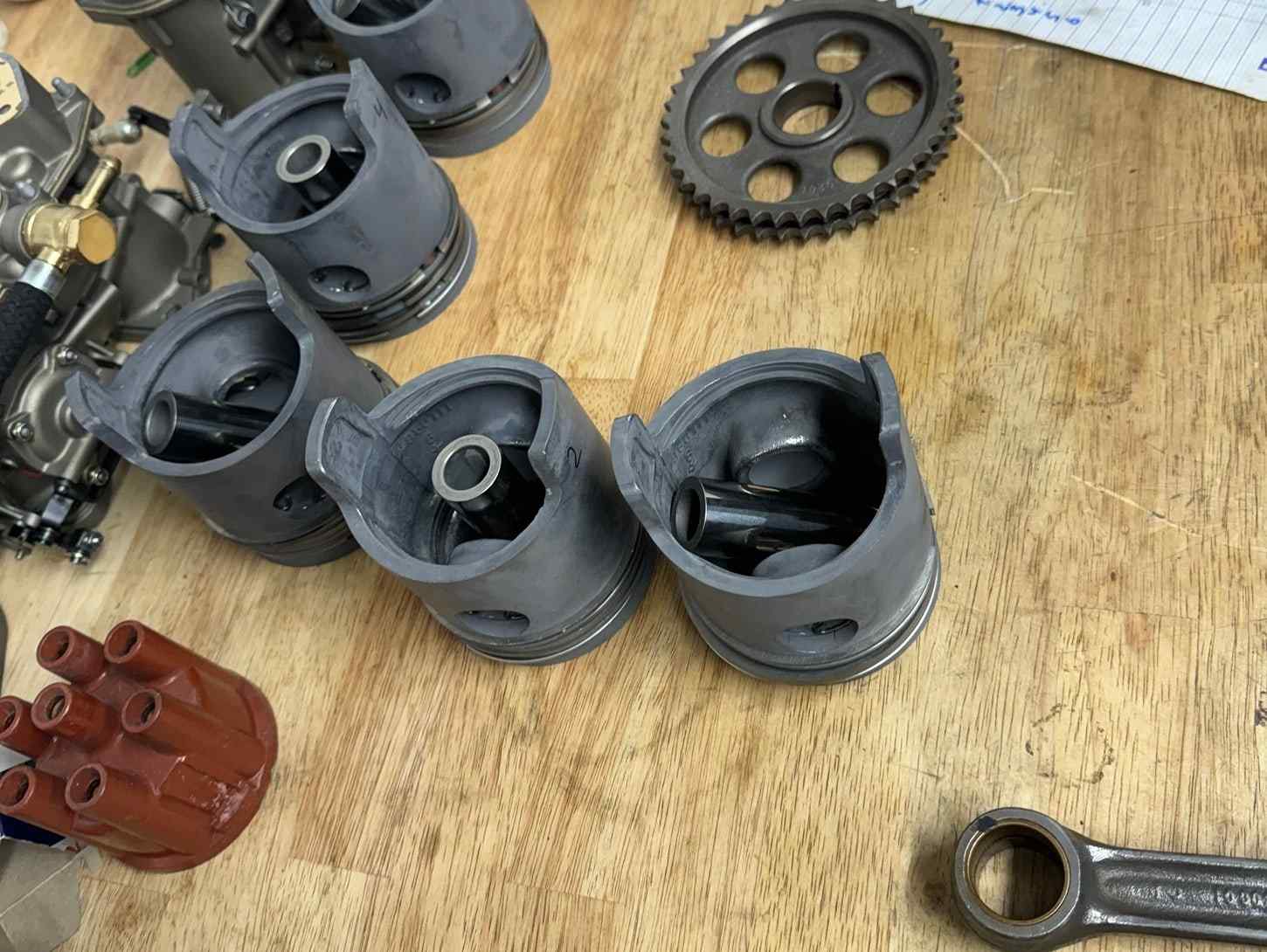
- genuine: the manufacturer’s own part, where it is still supplied;
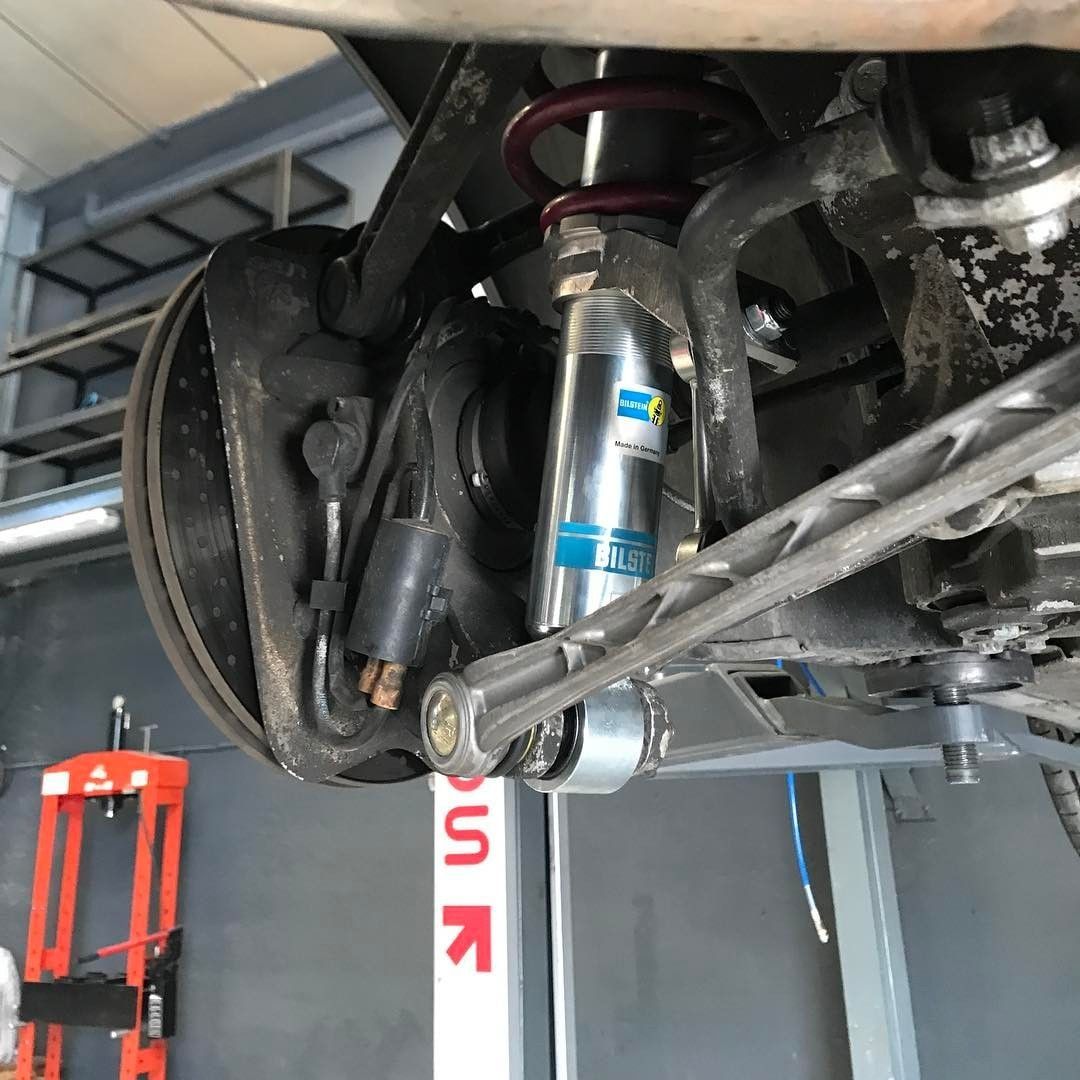
- equivalent quality: made to the same dimensions by a component maker;
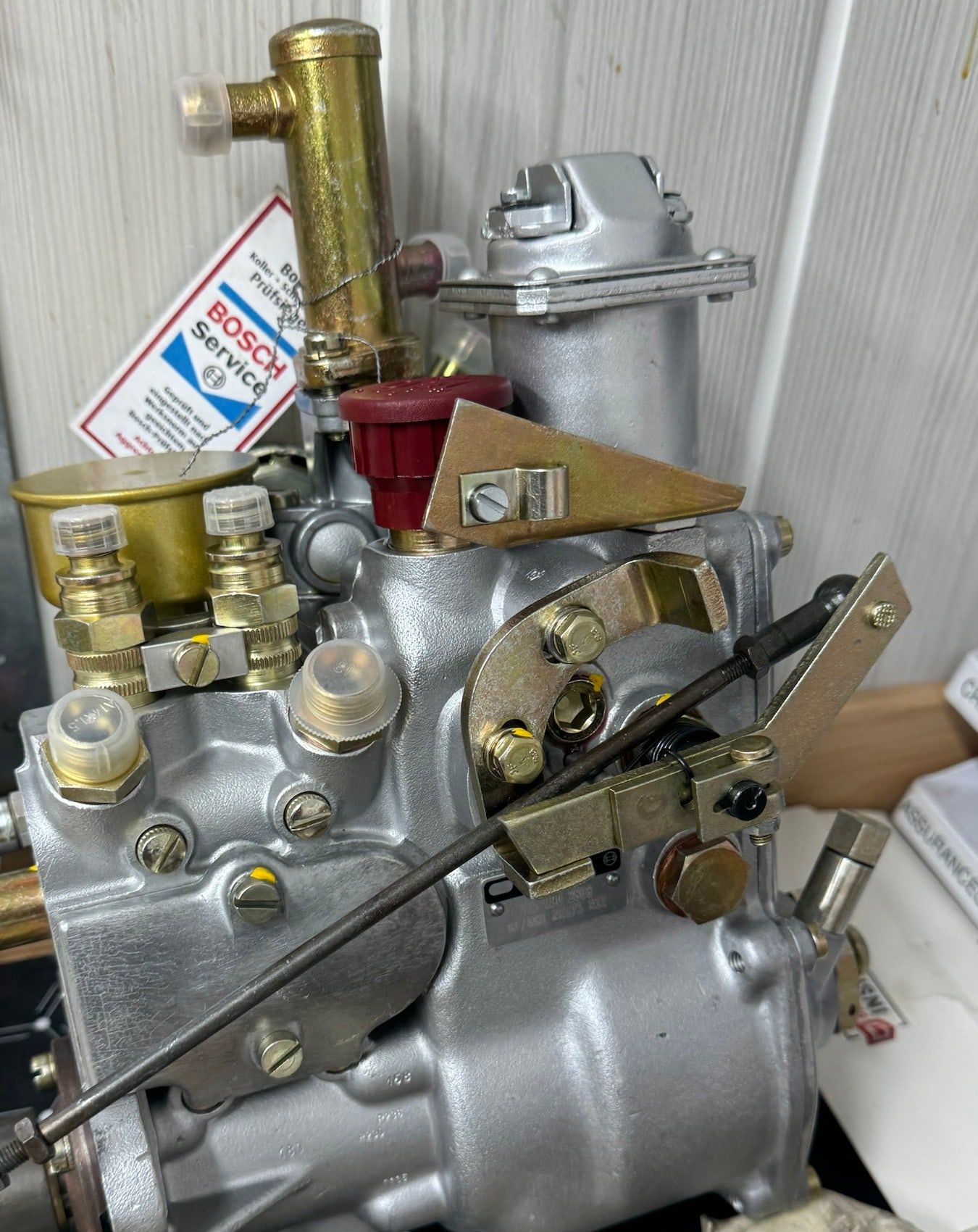
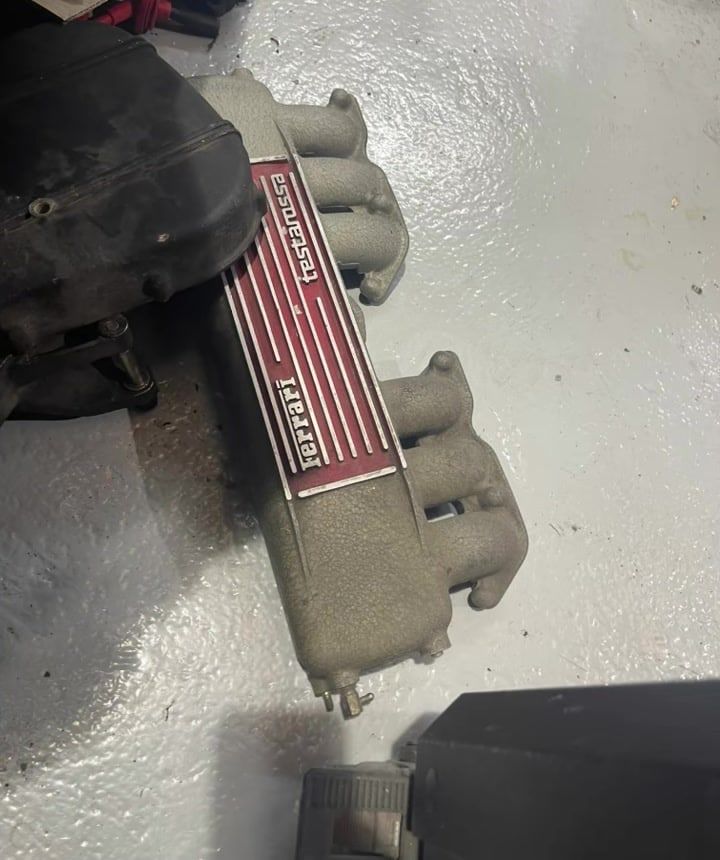
- used: a period part, to be examined before it is fitted;
- reconditioned: a period part overhauled, valuable for a complex assembly.
When is a reproduction part justified?
Once the genuine part is no longer made, a reproduction keeps the car on the road. For a seal, a hose or a hidden component it is usually enough. For something on view, a piece of chrome, a trim strip, a dashboard knob, accuracy of shape and finish matters and is judged with the part in hand.
On a car bound for a concours or a sale, the reconditioned period part keeps the advantage. Owners of a Mercedes 190 SL or a Pagoda know it: a part properly overhauled draws less attention than an approximate copy.
Mercedes part numbers: the series comes first
At Mercedes-Benz, a classic part number begins with the number of the series for which the part was designed: 121 for a 190 SL, 113 for a Pagoda. As with other manufacturers, a part then moves from one series to the next. The Mercedes parts page presents the catalogue for the marque.
Nice, the Promenade, the hills: delivered or fitted
A classic driven in Nice knows heavy traffic, heat and the climbs into the hills: cooling, braking and fuelling all work harder there. Parts are sent to you or fitted in Mougins by appointment; if the car cannot be driven, its transport is arranged on request.
The general spare parts catalogue also covers modern cars. For a part that cannot be found, the page on rare parts in Monaco describes sourcing on request, and you can request a quote at any time.