What a bastide garage can hide
A bastide in the hills often shelters a car the family has kept for years. The garage is cool, sometimes damp in winter and rarely heated. Sea air is less of a problem inland, but the damp of a stone cellar does just as much harm: rust under the carpets, hardened rubber seals, oxidised brake and cooling circuits.
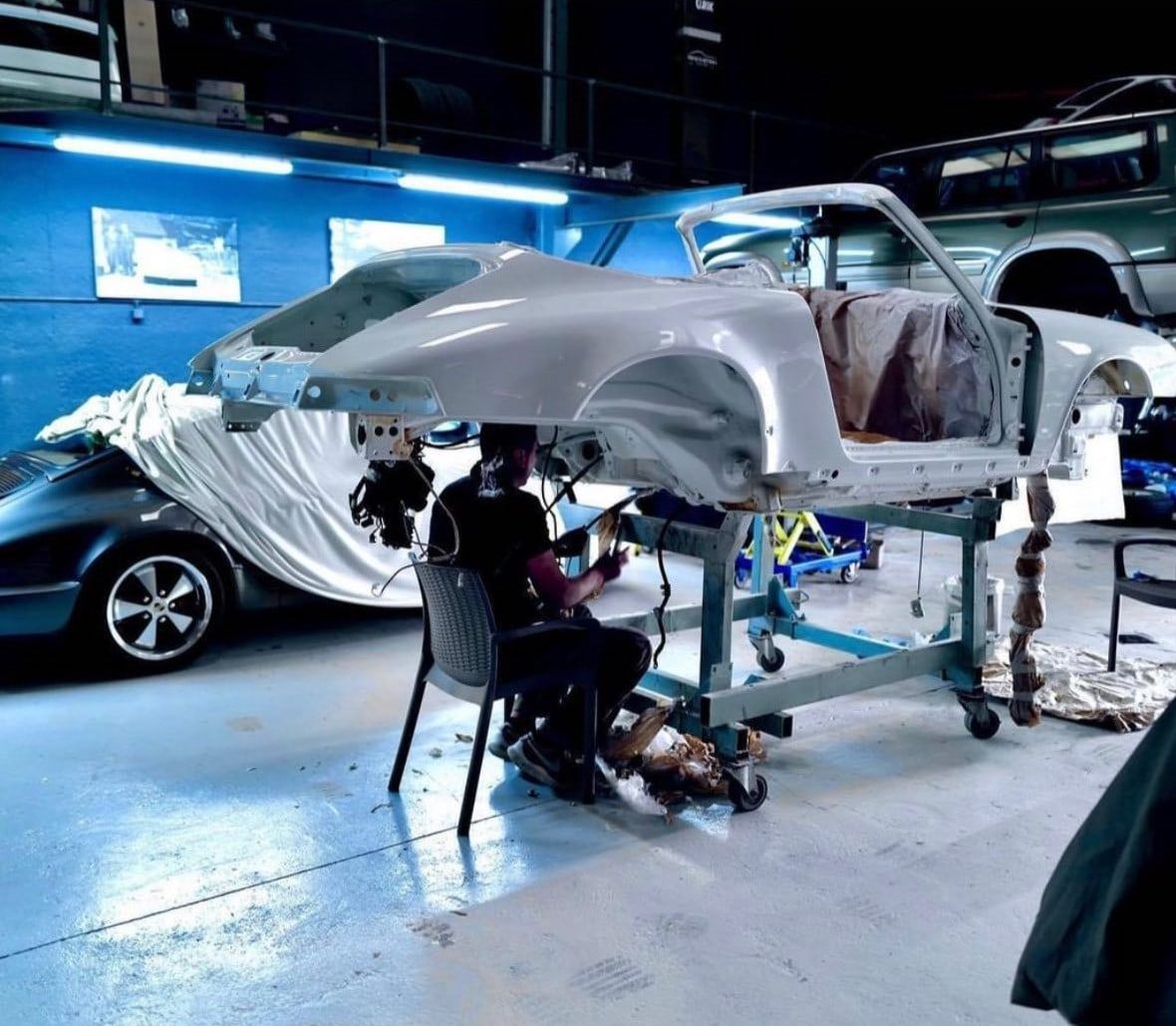
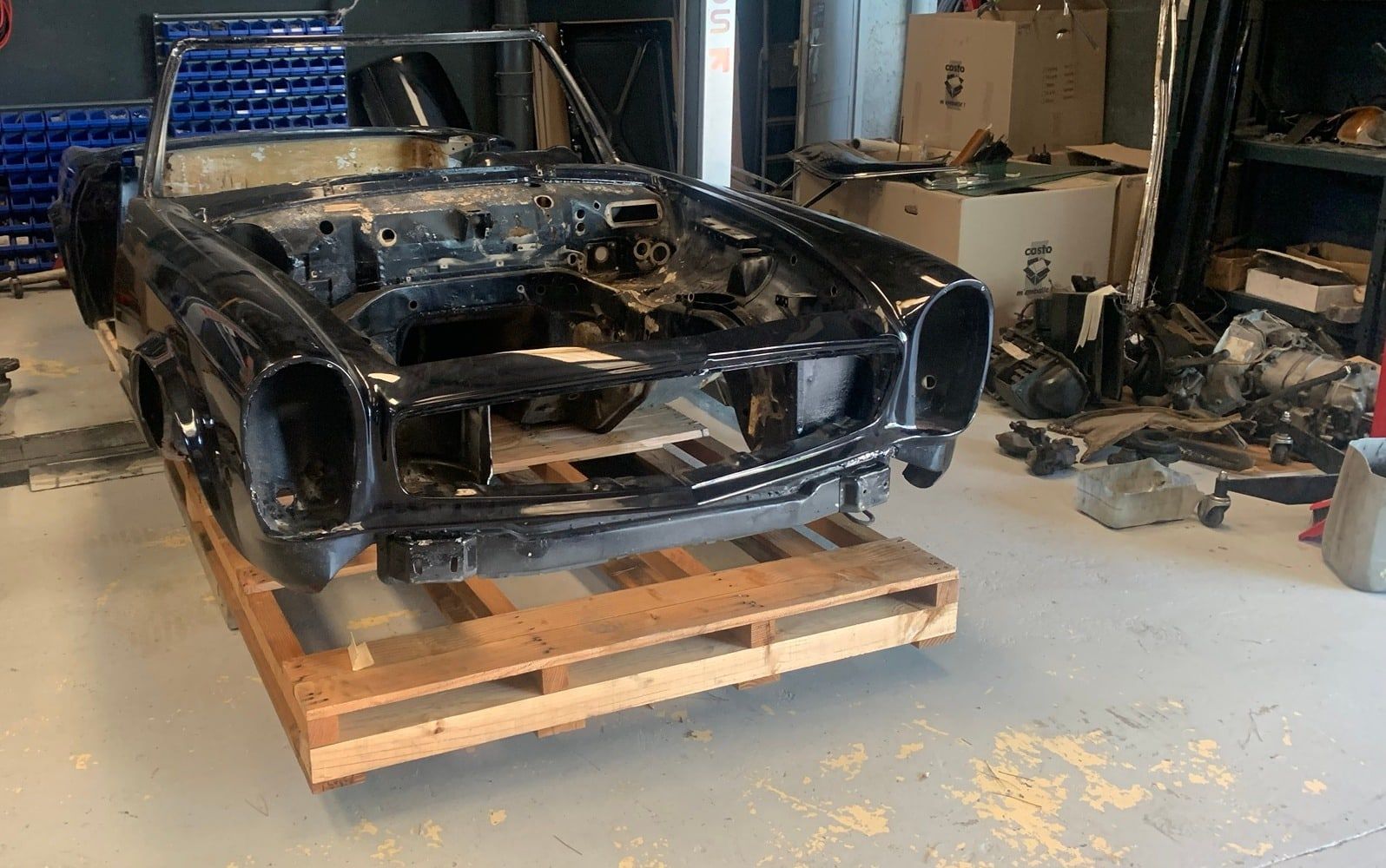
Before any restoration quote, the workshop carries out an assessment of the body, underside, running gear, mechanics and upholstery. That assessment, rather than the outward look of the car, tells you whether it needs recommissioning, a partial restoration or a full one.
Why hill roads matter to the project
A car from Grasse is not just a Sunday outing: Route Napoléon, descents towards Cabris, Saint-Vallier or Mouans-Sartoux, bends up to Valbonne or Châteauneuf. These winding roads put brakes, clutch, cooling and suspension bushes under far more strain than a coastal boulevard.
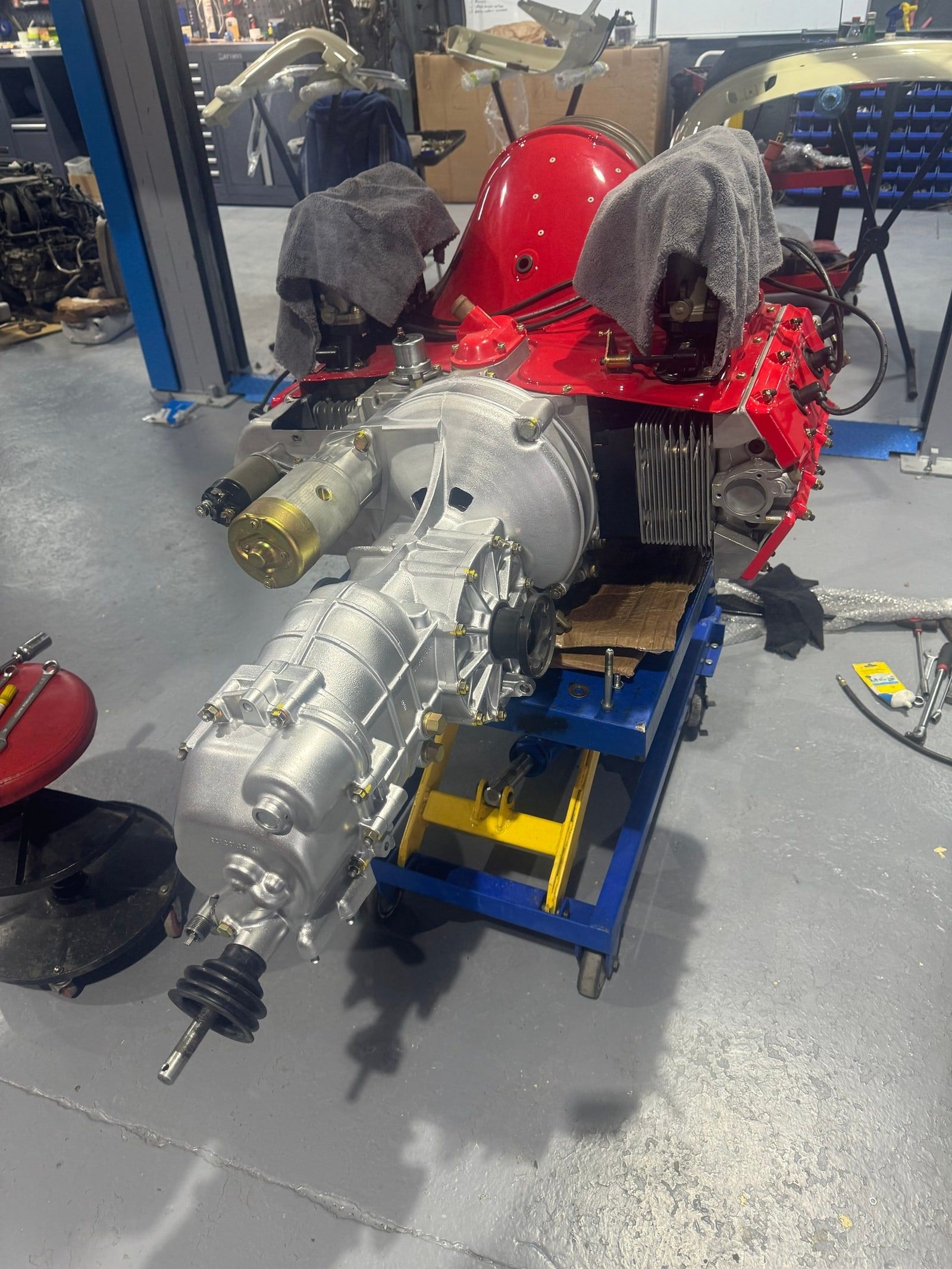
A restoration planned around these routes therefore treats those parts with care rather than stopping at the paint. Mechanical repair and bodywork move forward together, so that the car is as good to drive as it is to look at.
From Grasse, without disrupting your routine
The workshop is in Mougins, around ten kilometres from Grasse. A car that has not started for years should not make the journey under its own power: transport by open or enclosed truck is arranged on request, from the bastide or the estate.
The full method is set out on our classic car restoration page. For a Porsche, see Porsche restoration; if your car is nearer the coast, the restoration in Cannes page explains what changes by the sea. For a figure, request a quote.