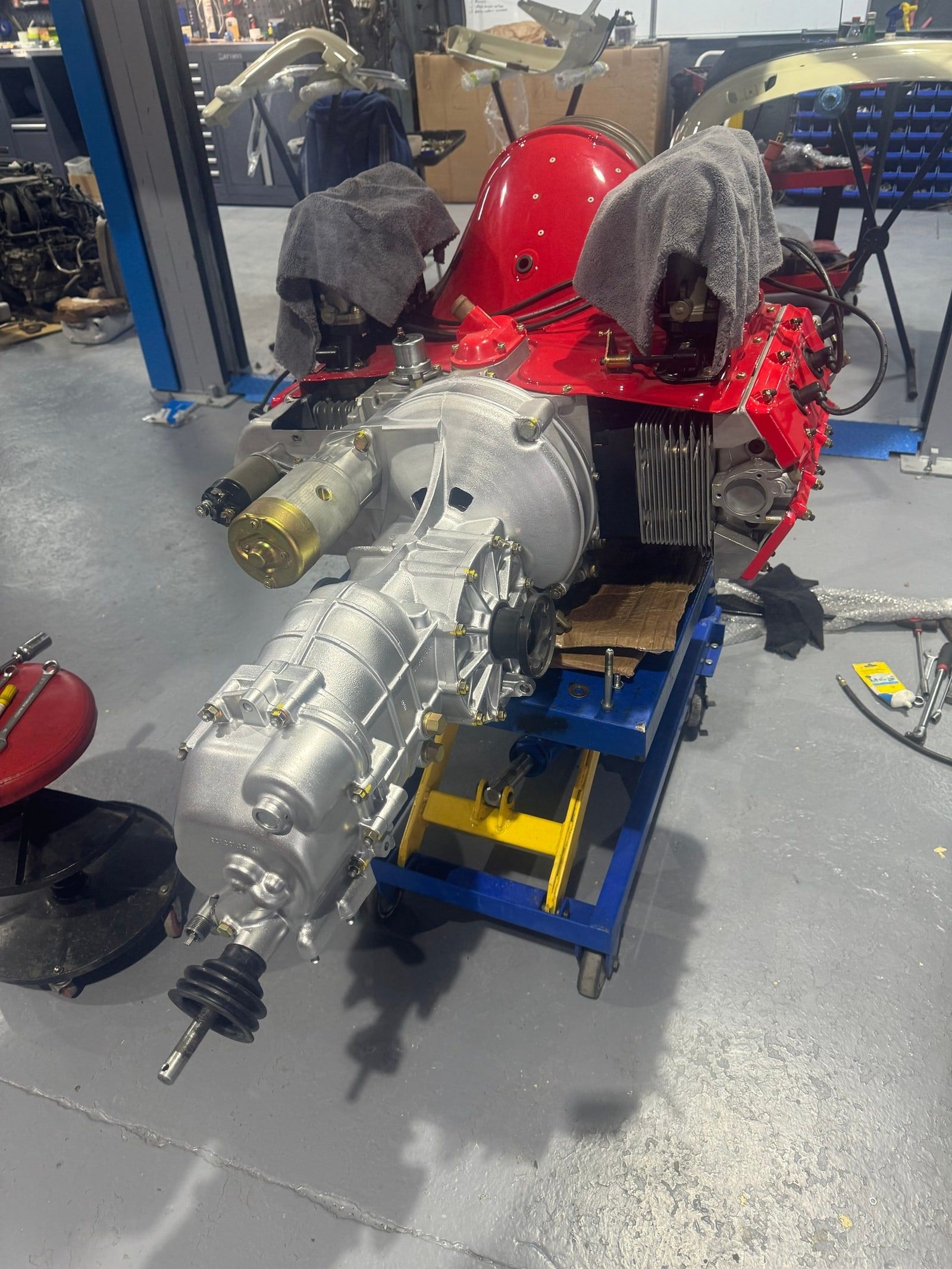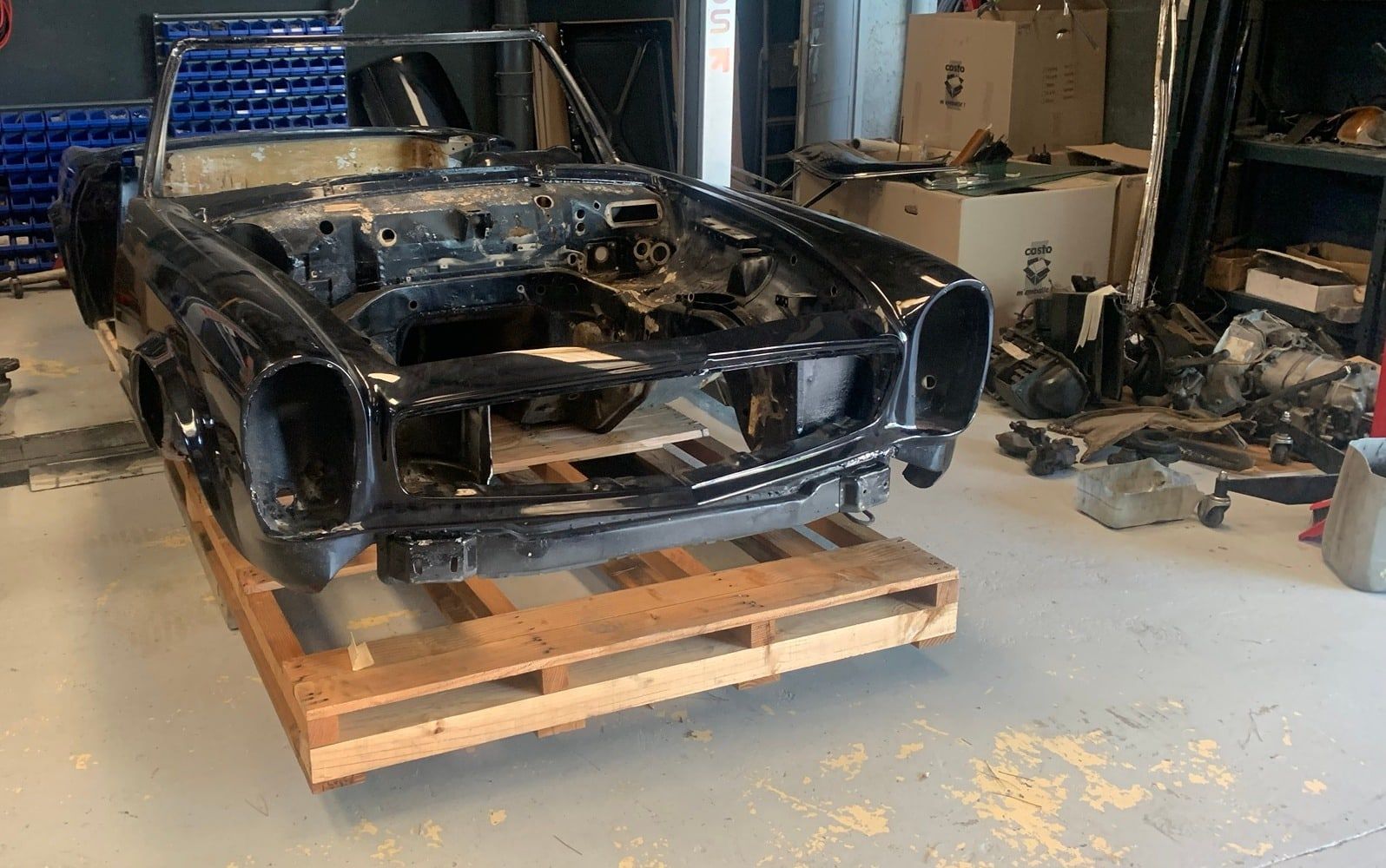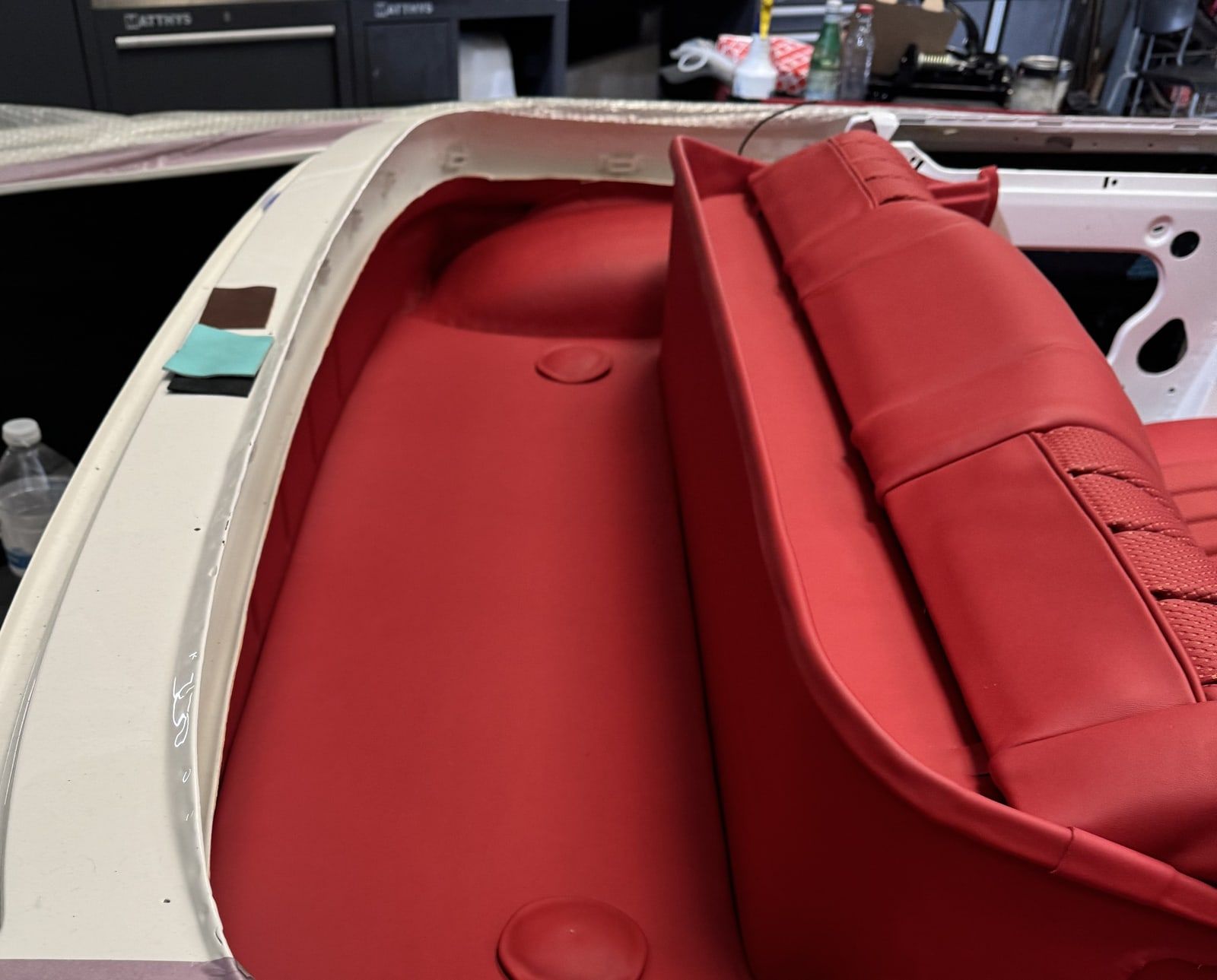
A little-used car is not a preserved car
Low mileage is reassuring, but standing still wears a car in its own way. Petrol goes stale in the tank and clogs the fuel system, brake fluid takes on moisture, seals and hoses harden, tyres flat-spot where they rest. Under a cover, in a garage close to the sea, damp works on the metal and the chrome without anything showing.
That is why a car that has stood for a long time is not simply restarted: it is examined before the key is turned.
Recommissioning or full restoration: how do you decide?
It all depends on what the inspection shows. If the shell is sound and the interior well kept, careful mechanical recommissioning may be enough, and it preserves an unrestored car as it is. If corrosion has reached the structure or the engine is seized, a full restoration becomes the sensible route.
The quote sets out both scenarios, item by item. The price depends on the true condition of the shell, the mechanicals and the parts to be found; it is never put forward before the car has been seen. The first checks cover:
- the tank, fuel lines and fuel pump;
- the braking system, where calipers or wheel cylinders have often seized;
- the engine, turned over by hand before any attempt to start it;
- the underside and box sections, where damp collects.
From Cannes, without your being there
Many owners spend only a few weeks a year in Cannes. The car can be collected from the residence by open or enclosed truck, with a caretaker or someone you trust present, and then examined at the workshop. A first opinion can be given from photographs and video.
During the work, photographs of the key stages reach you wherever you are, and you can talk to us in French, English, Russian or Arabic. Nothing extra is started without your agreement. Once the car is finished, storage keeps the cycle from starting again.
For a German classic, see Mercedes-Benz restoration; for cars kept in the Principality, see restoration in Monaco.