Why does a car overheat in a Riviera summer?
A car is cooled by the air passing through it. At walking pace between Cannes and Nice on an August afternoon, that air is missing: everything rests on the fans, the radiator and the circulation of coolant. A blocked radiator core, a fan that fails to cut in, a cap that no longer holds pressure, and the needle climbs. On a carburettor-fed classic, under-bonnet heat can also vaporise the petrol in the lines: the engine stalls, then refuses to restart while hot.
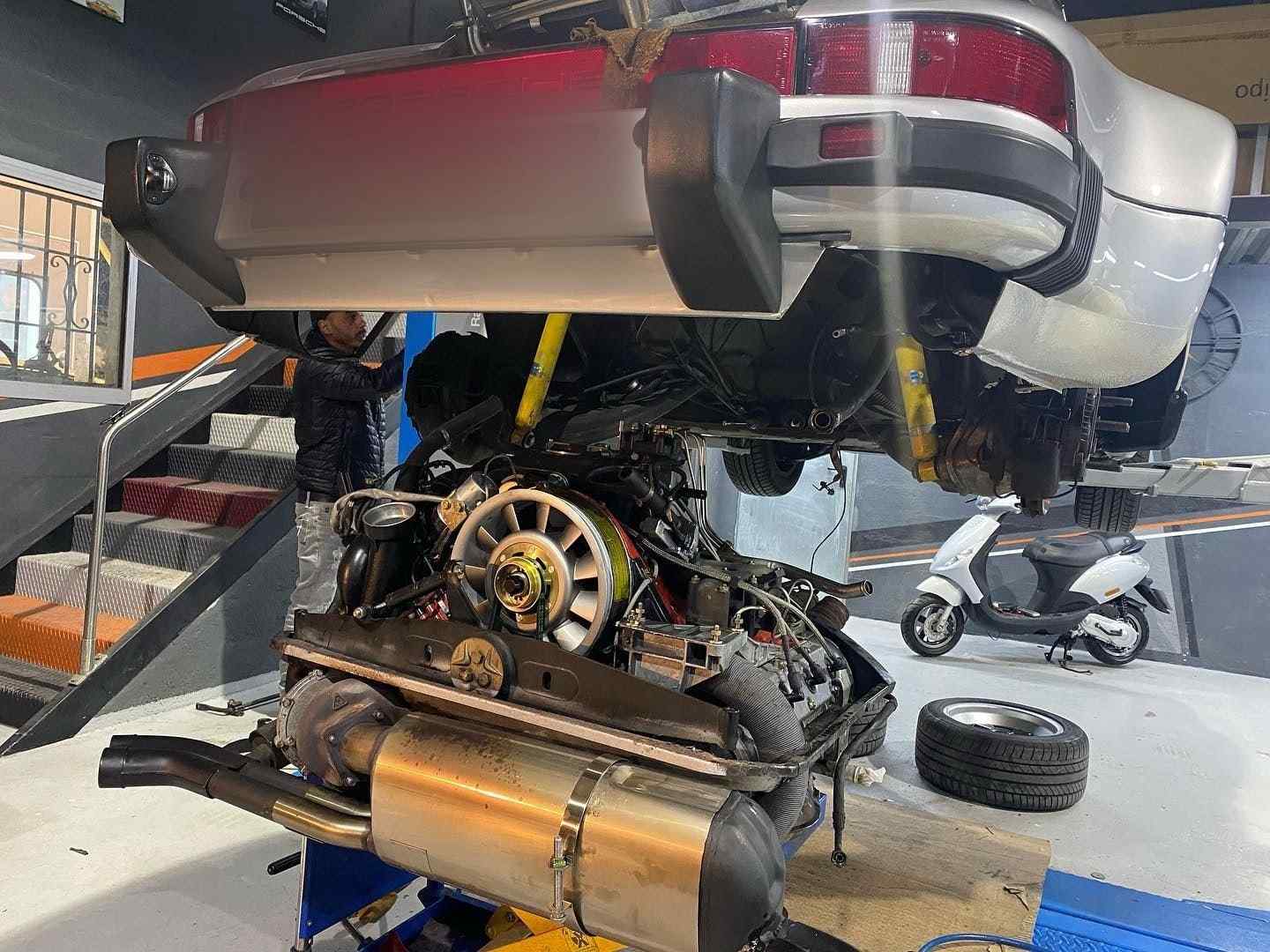
Air-cooled engines, such as the flat-six of the Porsche 911 up to the 993, rely on their fan and their oil: oil temperature is then the gauge to watch.
Overheating: what the workshop checks and repairs
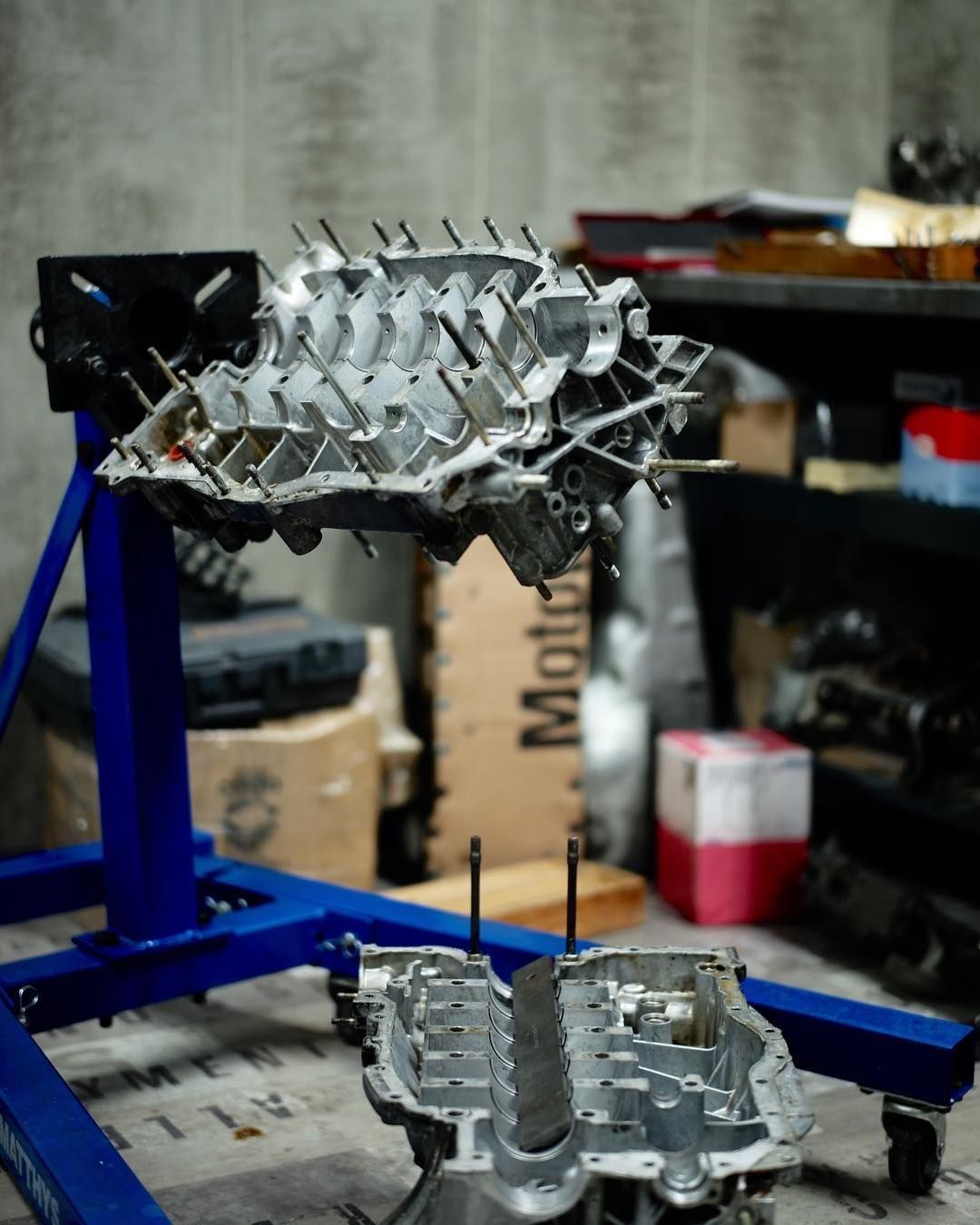
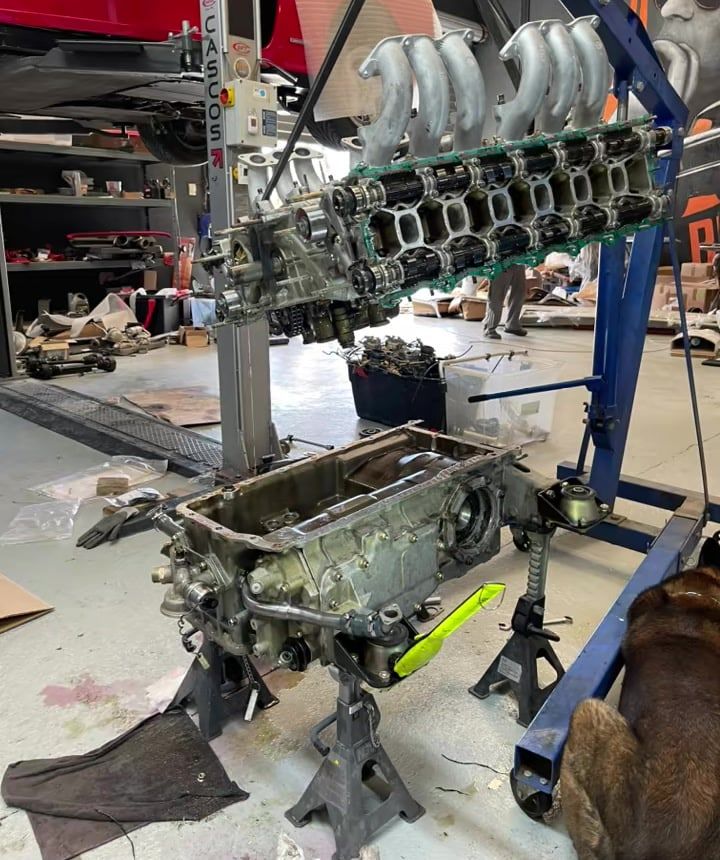
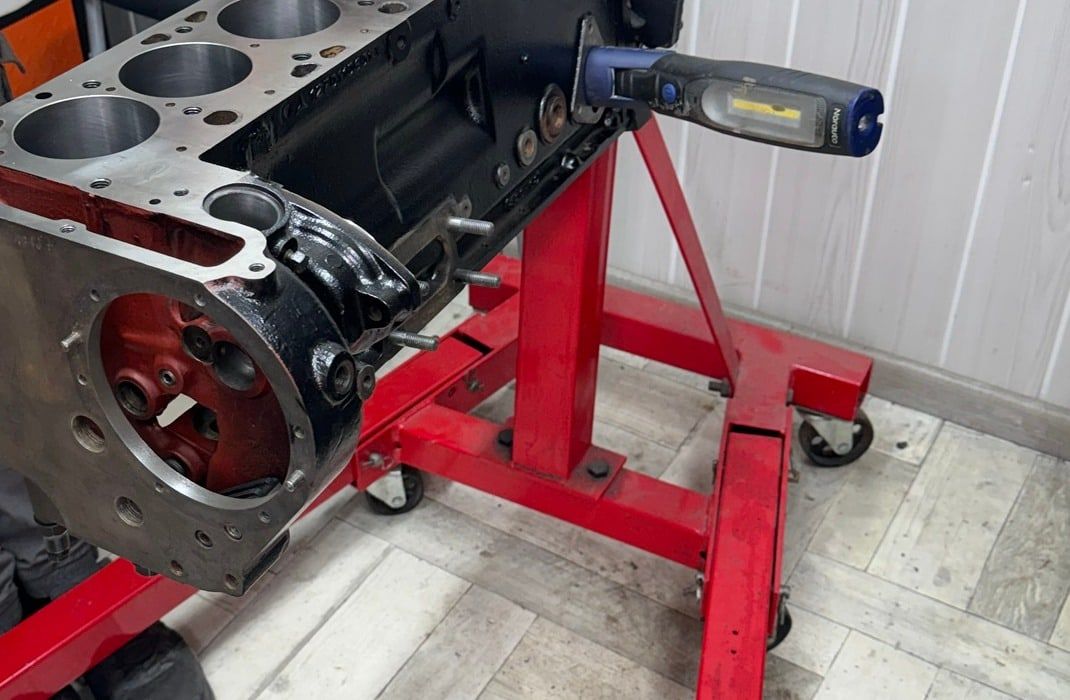
After an overheat, the first question is the damage: the engine is checked before it goes back into use. Then comes the cause, then the repair, priced in a quote itemised line by line. The rest of the mechanical work, engine, gearbox, clutch, brakes and running gear, follows the same method: diagnosis first.
- radiators, hoses, clips and expansion tank;
- water pump, thermostat, fans and their controls;
- the integrity of the circuit and the cylinder head after an overheat;
- fuel supply and ignition on classics that stall when hot;
- air conditioning, whose condenser shares the radiator’s airflow.
One mechanical workshop, in Mougins, for the whole coast
Original Classic And Luxury Cars is in Mougins, at 1186 chemin du Ferrandou, above Cannes. Cars arrive by road or by open or enclosed transporter; transport is arranged on request, on the Riviera and from the rest of Europe. A car that has overheated should not be driven again: have it collected.
Your town, your kind of use
Each stretch of the coast wears a car in its own way, and each has its page: